
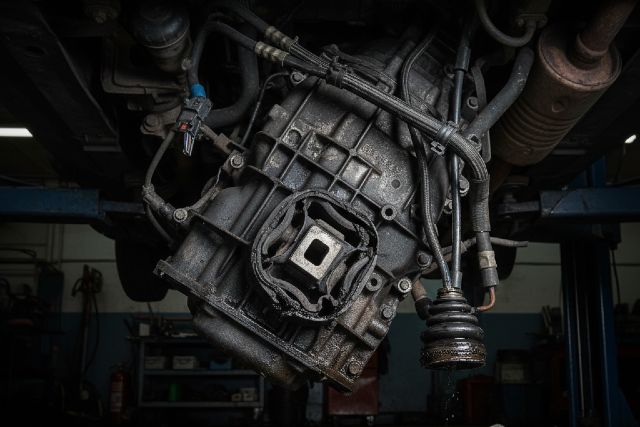

When a transmission mount starts to fail, most drivers first notice a small vibration or an occasional clunk during gear changes. Because the vehicle still drives, it’s easy to dismiss the issue. However, the transmission mount plays a critical role in holding the transmission firmly in place while absorbing torque and vibration. When it deteriorates, the transmission can move excessively, creating a chain reaction of mechanical stress that can quickly become expensive.
Ignoring transmission mount failure doesn’t just affect comfort. Over time, it can compromise drivetrain alignment, increase vibration throughout the vehicle, and accelerate wear on surrounding components.
What is a transmission mount and why is it important?
A transmission mount is a structural support made of metal and rubber, sometimes filled with hydraulic fluid, that secures the transmission to the vehicle’s frame or subframe. Its primary purpose is to keep the transmission properly aligned while isolating vibration and movement caused by engine torque and shifting.
Modern vehicles rely heavily on mounts to control NVH, which stands for noise, vibration, and harshness. Automotive engineering studies consistently identify the powertrain as one of the largest contributors to vehicle vibration, making the transmission mount essential for ride comfort and mechanical longevity. When the mount weakens, vibrations that were once absorbed are transferred directly into the cabin and drivetrain.
Early signs of transmission mount failure
One of the most common symptoms of a failing transmission mount is increased vibration. Drivers often feel this through the seat, steering wheel, or floor, especially while accelerating or when the vehicle is stopped in gear. The vibration tends to worsen under load because the mount can no longer dampen drivetrain movement effectively.
Another frequent sign is a clunking or banging noise when shifting from Park to Drive or Reverse. This sound occurs when the transmission shifts position suddenly due to insufficient support. As wear progresses, shifts may begin to feel harsher or jerky, even though the transmission itself is still mechanically sound.
In some vehicles, excessive drivetrain movement may also lead to secondary noises such as exhaust rattles or heat shield buzzing. These sounds happen because the transmission is no longer sitting exactly where it should, causing nearby components to make contact.
What happens if you ignore a failing transmission mount?
Ignoring a worn transmission mount almost always leads to worsening symptoms. Vibration tends to increase over time, and clunking noises become more pronounced. What starts as a minor annoyance can quickly turn into a constant reminder that something is wrong.
As the mount deteriorates further, additional stress is placed on the remaining engine and transmission mounts. These mounts are designed to share load evenly, so when one fails, the others are forced to compensate. This imbalance accelerates wear across the entire mounting system.
Excessive transmission movement can also affect shift quality. The transmission may still function correctly internally, but the added motion can make shifts feel delayed, harsh, or inconsistent. Many drivers mistake this for a failing transmission, when the real problem is external support failure.
Over time, uncontrolled drivetrain movement increases the risk of damage to nearby components such as exhaust connections, brackets, seals, and fluid lines. Prolonged vibration is widely recognized in automotive research as a contributor to accelerated mechanical wear, even when parts are not directly broken.
Is it safe to drive with a bad transmission mount?
In the early stages of transmission mount failure, a vehicle may still be drivable. However, continued driving increases the likelihood of secondary damage. Mild vibration and occasional clunks indicate early wear, while frequent banging noises, harsh shifts, and noticeable drivetrain movement suggest the mount is close to collapse.
Once symptoms become severe, the issue should be considered urgent. At that point, the transmission may be moving far beyond its designed limits, significantly increasing the risk of collateral damage.
What causes transmission mount wear?
Transmission mounts wear out due to age, heat cycles, and constant exposure to road conditions. Rubber components naturally degrade over time, especially when exposed to oil leaks, road salt, and extreme temperatures.
Aggressive driving, frequent towing, and high-torque applications place additional stress on mounts, shortening their lifespan. Some vehicles also use softer mounts for comfort, which can wear faster than performance-oriented designs.
How mechanics diagnose transmission mount failure
Diagnosing a bad transmission mount typically involves a visual inspection for cracked rubber, collapsed sections, or leaking hydraulic fluid. Mechanics also observe drivetrain movement under controlled conditions to identify excessive motion.
Because drivetrain vibration can originate from multiple sources, a proper diagnosis rules out other causes such as worn CV joints, engine mounts, or suspension issues. Accurate diagnosis prevents unnecessary repairs and ensures the correct component is addressed.
Transmission mount replacement cost explained
The cost to replace a transmission mount depends on vehicle design, mount location, and labor access. Front-wheel-drive vehicles often have more compact layouts that increase labor time, while rear-wheel-drive vehicles may offer easier access.
According to RepairPal, the average transmission mount replacement cost typically ranges between $361 and $439, including parts and labor. This figure can vary based on region and vehicle complexity, but it remains relatively low compared to major drivetrain repairs.
Replacing a mount early is usually far more affordable than dealing with secondary damage caused by prolonged drivetrain movement.
Real-world scenario: ignoring the warning signs
A common real-world example begins with a minor clunk when shifting into Reverse. Over several months, the vibration worsens as the mount continues to collapse. The transmission begins to move enough to alter exhaust positioning, causing rattling noises and harsher shifts.
By the time the vehicle is inspected, the transmission mount is torn, and one or more engine mounts are also damaged from excess stress. While the transmission itself remains intact, the repair bill is higher than it would have been if the mount had been replaced earlier.
Preventing transmission mount problems
Preventive maintenance plays a key role in extending mount life. Fixing oil leaks promptly prevents rubber contamination, and paying attention to early noises can stop small problems from becoming larger ones.
Vehicles used for towing or spirited driving benefit from periodic drivetrain inspections. When replacing one mount on a high-mileage vehicle, inspecting the remaining mounts helps prevent repeat failures.
Frequently asked questions about transmission mount failure
A transmission mount holds the transmission in place and reduces vibration by absorbing drivetrain movement. When it fails, vibration increases and shifting can become harsh.
Common signs of a bad transmission mount include clunking noises during shifts, excessive vibration, and noticeable drivetrain movement.
Driving with a bad transmission mount may be possible temporarily, but it increases the risk of damage to other mounts and drivetrain components over time.
The average cost to replace a transmission mount typically falls between $361 and $439, depending on the vehicle and labor requirements.
Conclusion
A failing transmission mount should never be ignored. While the symptoms often start small, the long-term consequences can include increased vibration, harsh shifting, and unnecessary stress on surrounding drivetrain components. Replacing a worn mount early helps maintain ride comfort, protect the transmission, and avoid costly secondary repairs.
If you want, share your vehicle’s year, make, model, and drivetrain layout, and I can provide a more precise cost estimate and symptom breakdown tailored specifically to your car.














Leave a comment