
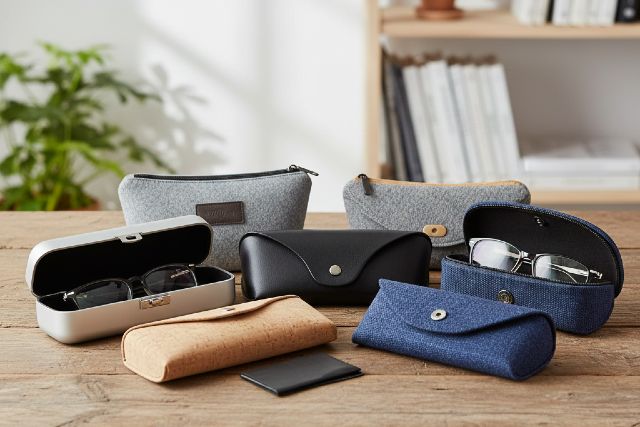

A high-quality glasses case is more than just an accessory. It is an essential part of protecting your eyewear investment and keeping your lenses clear, frames aligned, and coatings intact. Whether you wear sunglasses outdoors, reading glasses at work, or prescription glasses all day, the right case can significantly extend the life of your eyewear.
Most people underestimate how much damage occurs when glasses are not stored properly. Lenses rub against keys, frames bend under pressure, and coatings slowly wear away. These problems are rarely caused by poor-quality glasses. They are usually caused by poor storage habits. Choosing the best glasses case helps eliminate these issues before they start.
The global eyewear market continues to grow, with the U.S. optical industry alone valued at over $68 billion in recent years. This growth reflects how essential eyewear has become in daily life. Protecting that investment starts with something as simple as using the right case.
Why a glasses case is essential for everyday eyewear protection
A glasses case serves one primary purpose: preventing physical damage. This includes scratches on lenses, bent frames, loose hinges, and coating degradation. Even lenses labeled as scratch-resistant can develop micro-scratches over time when exposed to friction and debris.
Many people place glasses face-down on desks or toss them into bags without protection. Over time, this leads to visible damage that affects vision clarity and comfort. A proper glasses case creates a controlled environment that shields lenses from pressure, dust, moisture, and impact.
For people who wear prescription glasses daily, a protective case is especially important. Prescription lenses often include advanced coatings such as anti-reflective or blue-light filtering layers. These coatings are effective but delicate, making proper storage essential.
Hard glasses case vs soft glasses case: which is better?
Choosing between a hard glasses case and a soft case depends largely on how and where you carry your eyewear. Both options serve a purpose, but they offer different levels of protection.
A hard glasses case provides the highest level of protection. It is designed to resist crushing forces, making it ideal for handbags, backpacks, briefcases, and travel luggage. Hard cases are particularly useful for prescription glasses and expensive sunglasses because they protect frames from bending and lenses from pressure-related scratches.
A soft glasses case, often made from fabric or leather, offers lightweight convenience. It takes up less space and is easy to slip into a pocket. However, soft cases provide limited protection against impact. They are best suited for reading glasses or backup pairs that are carried in low-risk environments.
If your glasses are frequently stored in bags with other items, a hard glasses case is almost always the better option.
Best glasses case for sunglasses
Sunglasses typically have larger lenses and thicker frames than standard prescription glasses. Because of their size and curvature, they are more vulnerable to pressure and lens distortion when stored improperly.
The best glasses case for sunglasses should offer enough internal depth to prevent the lenses from pressing against the case walls. It should also have a soft interior lining to protect against scratches caused by dust or sand, which is especially important for outdoor use.
Heat resistance is another important factor. Sunglasses are often stored in cars, where temperatures can rise quickly. A high-quality hard glasses case made from durable materials helps prevent warping or interior lining damage caused by heat.
For people who travel frequently or wear sunglasses daily, a structured hard case with a secure closure provides the most reliable protection.
Best glasses case for reading glasses
Reading glasses are often used briefly and frequently throughout the day. This makes convenience just as important as protection. Many people place their readers on desks, counters, or car seats, where they are easily scratched or crushed.
The best glasses case for reading glasses balances slim design with light padding. A bulky case may discourage regular use, while no case at all leads to damage. A semi-rigid or padded case offers enough protection without adding unnecessary bulk.
Quick access is also important for reading glasses. A case that opens easily encourages consistent use, which ultimately protects the glasses more effectively than a case that stays unused.
Best glasses case for prescription glasses
Prescription glasses are often worn for long periods and may be the only pair a person owns. This makes protecting them especially important. A damaged prescription lens can impact vision, productivity, and comfort.
The best glasses case for prescription glasses should provide strong crush resistance and a soft, non-abrasive interior lining. The interior should hold the glasses securely without squeezing the frame or allowing excessive movement.
Because prescription glasses often include specialized lenses, such as progressive or high-index lenses, protecting them from pressure and friction is critical. A rigid hard glasses case with a properly fitted interior is the safest choice for everyday use.
Glasses case materials and why they matter
The material of a glasses case directly affects its durability and protective capabilities. Hard cases are often made from polycarbonate, ABS plastic, metal, or reinforced EVA. These materials are lightweight yet strong, making them ideal for daily use.
Semi-hard cases made from EVA foam provide moderate protection while remaining flexible and compact. They are a good option for people who want a balance between protection and portability.
Leather and faux leather cases vary widely in quality. Some are structured and protective, while others function more like soft pouches. It is important to assess the internal structure rather than relying on appearance alone.
Regardless of material, the interior lining should feel smooth and soft. Rough or fibrous linings can trap debris and contribute to lens scratches over time.
How to choose the right size glasses case
A glasses case should fit your frames properly without being too tight or too loose. A case that is too small can put pressure on the lenses and hinges, while a case that is too large allows the glasses to move around and collide with the interior walls.
To find the right fit, consider the width of your frames, the height of the lenses, and the thickness of the temples. Larger sunglasses often require deeper and wider cases than standard prescription frames.
When placing glasses into a case, they should sit naturally without resistance when closing the lid. If you feel pressure when closing the case, it is likely too small.
Features that make a glasses case better
A secure closure is essential for keeping glasses protected inside the case. Zippers provide the highest level of security, especially for travel and bags. Clasp closures are convenient but should feel sturdy and well-aligned. Magnetic closures offer ease of use but should be tested to ensure they stay closed during movement.
Interior padding and lining quality play a major role in scratch prevention. A microfiber-style lining helps reduce friction and protects delicate lens coatings.
Water resistance is another valuable feature, particularly for people who carry glasses outdoors or in gym bags. Even minimal moisture protection helps preserve the interior lining and prevent odor buildup.
Common glasses case questions answered
Many people wonder whether soft glasses cases are bad for eyewear. The answer depends on usage. Soft cases can be effective for low-risk environments but are not ideal for bags or travel situations.
Another common question is whether lenses should face up or down in a case. The most important factor is that the lenses are not under pressure and the interior is clean. Orientation matters less than stability and cleanliness.
People also ask whether a glasses case can prevent frames from bending. A sturdy hard glasses case can prevent most bending caused by pressure or accidental drops, especially during travel or daily commuting.
How to keep your glasses case from causing damage
Even the best glasses case can become a problem if it is not maintained. Dust, sand, and debris can accumulate inside the case and scratch lenses over time.
Regularly emptying and cleaning the case interior helps prevent this issue. Storing clean glasses inside a clean case significantly reduces the risk of lens damage.
Eye care professionals consistently recommend cleaning glasses with mild soap and water and storing them in protective cases when not in use. These simple habits help maintain lens clarity and extend eyewear lifespan.
Conclusion: choosing the best glasses case for your lifestyle
The best glasses case is one that fits your glasses properly and fits your daily routine just as well. For sunglasses and prescription glasses, a lined hard case offers the highest level of protection. For reading glasses, a slim semi-hard or padded case often provides the best balance of convenience and safety.
Using a glasses case consistently, keeping it clean, and choosing the right size all contribute to longer-lasting eyewear. With the right case, you can prevent scratches, protect frames, and keep your sunglasses, readers, and prescription glasses in excellent condition for years to come.















Leave a comment