
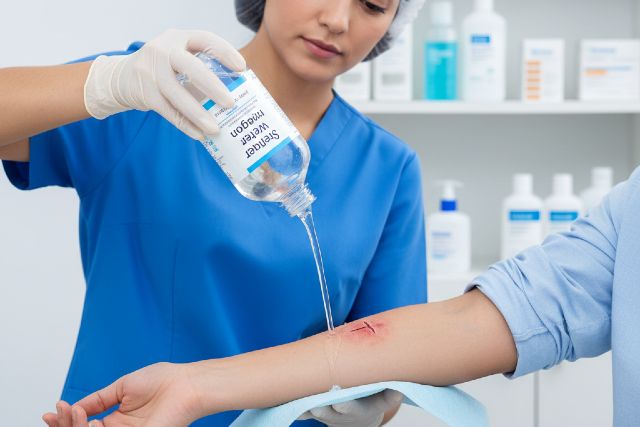

Choosing the correct solution for cleaning a wound can directly impact healing speed and infection risk. Sterile water is often recommended for wound care, but many people are unsure when to use it, how to use it properly, and whether it is better than saline or tap water. Understanding the correct application of sterile water can make a significant difference in safe and effective wound management.
In this comprehensive guide, we explore how sterile water for wound care works, when it should be used, common mistakes to avoid, and best practices supported by research and medical guidance.
What Is Sterile Water and Why It Matters in Wound Care
Sterile water is water that has been purified and treated to eliminate all microorganisms, including bacteria, viruses, and fungi. In wound care, it is commonly labeled as sterile water for irrigation and is intended specifically for cleaning wounds, flushing debris, and moistening dressings.
The importance of sterility becomes clear when wounds expose deeper tissue layers. Any bacteria introduced during cleaning can delay healing or lead to infection. According to the U.S. Food and Drug Administration, sterile water for irrigation is designed to reduce microbial contamination when cleansing wounds or surgical sites. This distinction matters because sterile water is not the same as distilled or filtered water, which may still contain microorganisms.
Medical labeling also clarifies that sterile water for irrigation is not meant for injection or internal consumption. Its role is external wound cleansing, and using it correctly ensures safety and effectiveness.
Sterile Water for Wound Care vs Saline vs Tap Water
One of the most common questions people ask is whether sterile water is better than saline or tap water for wound cleaning. The answer depends on the situation, the wound type, and the environment.
Sterile saline contains sodium chloride and closely matches the body’s natural fluid balance. This makes it gentle on exposed tissue and comfortable during irrigation. Because of this, saline is widely used in hospitals and clinics for routine wound care.
Tap water, when clean and potable, has been shown in multiple studies to be acceptable for cleaning minor wounds. A Cochrane systematic review found no strong evidence that tap water increases infection rates compared to sterile saline in uncomplicated wounds. However, the review also emphasized that water quality is critical and results vary depending on local water safety.
Sterile water becomes especially valuable when water safety cannot be guaranteed. The Centers for Disease Control and Prevention advises using sterile or boiled water for wound care during boil-water advisories or infrastructure failures. In these cases, sterile water reduces the risk of introducing harmful pathogens into open tissue.
When Sterile Water Is the Right Choice for Wound Care
Sterile water for wound care is particularly appropriate when treating wounds in high-risk environments or for individuals with increased susceptibility to infection. This includes people with weakened immune systems, chronic illnesses such as diabetes, or extensive skin injuries.
Sterile water is also recommended when caring for burns, deep abrasions, surgical wounds, or large open areas where bacterial exposure could significantly delay healing. In disaster situations, travel, or outdoor settings where tap water quality is uncertain, sterile water offers a controlled and reliable option.
Healthcare providers often recommend sterile water when moistening wound dressings or cleansing wounds before re-bandaging, especially if the wound is slow to heal or has shown signs of irritation.
Situations Where Sterile Water May Not Be Ideal
Despite its benefits, sterile water is not always the best option. Because it lacks electrolytes, sterile water can cause mild discomfort or stinging when applied to exposed tissue. Normal saline is often better tolerated for sensitive wounds.
Sterile water also does not replace antiseptics or prescribed medications. Its purpose is mechanical cleansing, not killing bacteria through chemical action. Overuse of antiseptics can damage healthy tissue, and sterile water should not be mixed with medications unless directed by a healthcare professional.
For deep puncture wounds, animal or human bites, or wounds with heavy contamination that cannot be cleaned easily, sterile water alone is insufficient. These injuries require professional medical evaluation.
How to Use Sterile Water for Wound Care Safely
Proper technique is just as important as the solution itself. Always begin by washing your hands thoroughly before touching the wound. This simple step dramatically reduces infection risk.
Once bleeding is controlled, open the sterile water container immediately before use. The water should be used fresh, as opened containers can become contaminated over time. Gently irrigate the wound using enough pressure to remove visible dirt without forcing debris deeper into the tissue.
After irrigation, allow the wound to drain naturally. Do not scrub aggressively, as this can damage new tissue and slow healing. Pat the surrounding skin dry with a clean cloth while keeping the wound itself slightly moist if recommended.
If you are applying a dressing, follow manufacturer or clinician instructions regarding whether sterile water should be used to moisten gauze. Once opened, any remaining sterile water should be discarded unless the label specifically states otherwise.
Common Mistakes People Make With Sterile Water
One frequent mistake is reusing opened sterile water containers over several days. Once exposed to air, sterility can no longer be guaranteed. Another issue is assuming sterile water can be used interchangeably with injectable fluids, which is unsafe and incorrect.
Some people also believe sterile water prevents infection on its own. In reality, proper wound cleaning, protection, and monitoring are what prevent infection, not the water alone. Signs such as increasing redness, warmth, swelling, pus, or fever require medical attention regardless of how carefully sterile water was used.
What the Research Says About Wound Cleansing
Research consistently shows that effective wound irrigation is about removing contaminants rather than sterilizing the wound. A randomized controlled trial published in BMJ Open found no significant difference in infection rates between wounds cleaned with tap water and those cleaned with sterile saline, highlighting that technique and cleanliness matter more than the solution in many cases.
However, public health agencies stress that in compromised environments, sterile water remains the safest option. This is particularly relevant in hospitals, long-term care settings, and emergency response scenarios.
FAQs About Sterile Water for Wound Care
Sterile water is safe for cleaning wounds when used as directed for irrigation and external cleansing.
Sterile water should be used immediately after opening and should not be stored for later wound care unless the manufacturer specifically allows it.
Sterile water does not replace saline but can be used when saline is unavailable or when water safety is a concern.
For minor cuts, clean tap water may be sufficient if it is potable and reliable, but sterile water offers an added margin of safety.
Conclusion: Using Sterile Water the Right Way
Sterile water for wound care is a valuable tool when used correctly. It provides a safe, bacteria-free option for cleaning wounds, especially in high-risk situations or when water quality is uncertain. While it is not always superior to saline, it plays an important role in modern wound care when technique, hygiene, and clinical judgment are applied together.
By understanding when and how to use sterile water properly, you can reduce infection risk, support faster healing, and make informed decisions about wound care at home or in clinical settings.
For more guidance, explore our related articles on wound dressing selection and signs of wound infection, or consult trusted sources like the CDC and FDA for up-to-date medical recommendations.















Leave a comment