
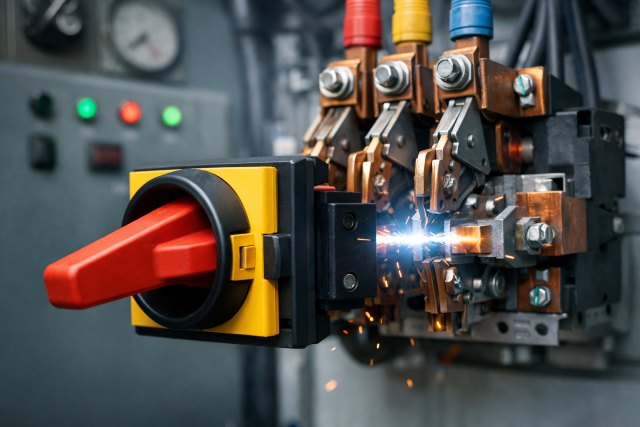

If you’re researching sintterikytkin, you’re almost certainly trying to solve one of these problems: your current clutch is slipping after a power upgrade, you need consistent bite for track use, or you’re building a drivetrain that won’t melt down under repeated heat cycles. In plain terms, a sintterikytkin is a sintered (often “ceramic/metallic”) clutch designed to handle higher heat and torque than typical organic clutches — usually with a trade-off in smoothness and comfort.
What a sintterikytkin is, how it works, when it’s worth it, and how to choose one that matches your car and driving style — without wasting money or destroying drivability.
What does sintterikytkin mean?
Sintterikytkin is commonly used in Finnish automotive circles to refer to a sintered clutch (often a puck-style disc), where the friction material is made using sintering — a manufacturing process that bonds metal powders into a tough, heat-resistant friction surface.
You’ll also see related terms:
-
sintteri kytkinlevy (sintered clutch disc)
-
jousitettu (sprung hub)
-
jäykkäkeskiöinen (rigid hub)
-
“ceramic clutch” (often used loosely to describe sintered/metallic facings)
Sintterikytkin vs. “normal” clutch: what’s actually different?
Most OEM and “street” performance clutches use organic friction material optimized for smooth take-up and daily comfort. A sintterikytkin uses metallic/sintered friction facings that are built to survive:
-
higher temperatures,
-
harsher engagement,
-
repeated launches,
-
and high torque loads.
Sintered metal clutch plates are commonly described as “bronze/brass” style friction materials in heavy-duty contexts, made from compacted metallic powders (often copper-based) that are sintered at high temperatures — one reason they tolerate thermal abuse well.
How a sintterikytkin works (step-by-step)
The clutch system still follows the same core physics: friction locks the engine (flywheel) to the transmission input shaft.
1) Clamping force creates torque capacity
Your pressure plate applies clamp load that squeezes the clutch disc against the flywheel. More clamp load generally means more holding power — but also heavier pedal effort and more stress.
2) Sintered friction material resists fade
Under aggressive driving, clutch surfaces get hot. Sintered metallic materials are designed to keep friction behavior more stable during heat spikes and repeated engagement events.
3) Puck designs concentrate pressure
Many sintterikytkimet are 4-, 6-, or 8-puck discs. Fewer pucks often equals more bite (and more harshness). Finnish performance vendors commonly sell sprung “jousitettu” versions in multiple puck counts, explicitly marketed as balancing comfort vs. torque capacity.
Why sintering matters: the material science in plain English
Sintering is a heat treatment process where powder particles bond together at temperatures below the melting point, creating a dense, strong structure.
For clutch friction facings, manufacturers blend metallic powders (often copper/bronze/iron plus modifiers) and sinter them onto a backing plate. This yields friction material that tolerates abuse far better than organic facings in extreme conditions.
A practical way to think about it:
-
Organic = smooth and forgiving
-
Sintered/“ceramic” = durable and aggressive, built for heat
Some clutch-material references note ceramic-style facings can operate at very high temperatures (e.g., up to 1,000°F in certain contexts), but with more abrupt engagement behavior.
Why a sintterikytkin matters (and when it’s worth it)
It’s often the difference between “hooks every time” and “slips when hot”
If you’ve added boost, torque, or sticky tires, the clutch becomes a weak link fast. Sintered clutches are popular because they can keep transferring torque when an organic disc would glaze, fade, or slip.
It protects consistency in motorsport and repeated hard use
A key benefit isn’t just peak torque capacity — it’s repeatability. High-energy engagement events (launches, short-shifting under boost, aggressive downshifts) punish friction materials. Sintered friction materials are widely used across heavy-duty and high-performance applications because they can survive repeated abuse.
Real-world torque numbers (examples)
Vendors commonly state torque ratings such as 700–900 Nm for certain “jousitettu sintterikytkin” setups, and even higher numbers for multi-plate kits in specific applications.
(Always treat vendor ratings as ballpark: actual capacity depends on setup, flywheel/pressure plate condition, bedding, driving style, and heat management.)
The trade-offs: what you give up with a sintterikytkin
A sintterikytkin isn’t “better” in every way — it’s more like choosing a track tire over an all-season tire.
1) Harsher engagement (chatter, shudder, grab)
Sintered/ceramic-style facings tend to have a higher static-to-dynamic friction ratio, which is one reason engagement can feel abrupt.
2) More noise and vibration (especially rigid-hub)
Rigid-hub versions (jäykkäkeskiöinen) are often recommended primarily for competition, because they remove damping in the drivetrain.
3) Increased drivetrain shock
That “instant bite” can be great for lap times and launches, but it can also stress:
-
gearbox synchros,
-
input shafts,
-
driveshafts,
-
differential components,
-
engine/trans mounts.
If your goal is a reliable street car, this matters.
Jousitettu vs. jäykkä: which sintterikytkin should you choose?
Jousitettu (sprung hub) sintterikytkin
Best when you still want a streetable car. The hub springs help absorb engagement shock and reduce driveline harshness. It’s commonly positioned as the more “comfortable” choice in multi-puck options.
Jäykkäkeskiöinen (rigid hub) sintterikytkin
Best when drivability is secondary to performance — drag racing, track-only cars, or situations where you want the most direct coupling. Vendors often recommend rigid-hub sintered setups mainly for racing use.
Single-plate vs. twin-plate: when do you go multi-plate?
If you need high torque capacity and you want to keep pedal effort and engagement reasonable, multi-plate setups can help. A twin-plate increases total friction area, which can allow strong holding power without relying purely on extreme clamp force.
But twin-plate kits add:
-
cost,
-
installation complexity,
-
and sometimes more noise (depending on design).
If you’re browsing a build guide on your site, a good internal companion article would be:
How to choose the right sintterikytkin for your build
Here’s a practical selection framework:
Start with your real torque — and how you use it
Dyno numbers don’t tell the whole story. Torque spikes, traction, and heat cycles matter more than peak horsepower.
If you do:
-
repeated launches,
-
track sessions,
-
drifting,
-
heavy towing with power upgrades,
…you’re creating more heat and higher engagement energy, where sintered friction materials tend to shine.
Decide your drivability tolerance
If the car is:
-
a daily driver in traffic → lean sprung hub, more pucks (e.g., 6/8), or consider a hybrid “street performance” disc
-
weekend + occasional track → sprung sintered can be a strong compromise
-
track-only/drag-only → rigid hub and/or fewer pucks can be appropriate
Don’t ignore the rest of the system
A sintterikytkin will only perform well if:
-
the flywheel surface is correct,
-
the pressure plate is matched,
-
the hydraulic system is healthy,
-
and break-in is done correctly.
A good internal support page could be:
Installation + break-in: how to avoid common failures
Most “my new clutch is awful” stories come from mismatched parts, poor bedding, or heat abuse too early.
What “good” break-in looks like
Even sintered/ceramic-style clutches often benefit from controlled heat cycling early on. The goal is to mate surfaces evenly, avoid hot spots, and prevent glazing.
Signs you’re doing it wrong
-
strong burning smell repeatedly in the first drives
-
severe chatter that doesn’t improve at all
-
slipping under light load (could be contamination, incorrect install, or hydraulic issues)
If you want a deep-dive troubleshooting article:
Common scenarios: when a sintterikytkin is the smart move
Scenario 1: Turbo upgrade and the clutch starts slipping
You didn’t “break” the clutch — your torque now exceeds what the friction material and clamp load can handle, especially when hot. A sintterikytkin is one of the most common solutions once bolt-ons become real torque.
Scenario 2: Track days with repeated high-heat engagements
Hard laps plus aggressive shifting create heat soak. Sintered friction materials are valued specifically for surviving thermal abuse and repeated energy events.
Scenario 3: Drift car where clutch kicks are frequent
Frequent engagement shocks punish organic materials. A sprung sintered disc can improve durability while keeping the car somewhat controllable.
FAQs
What is a sintterikytkin?
A sintterikytkin is a sintered clutch that uses metallic friction material made by bonding powdered metals through heat, designed to handle higher torque and heat than organic clutches.
Is a sintterikytkin the same as a ceramic clutch?
Often, yes in everyday talk. Many people use “ceramic clutch” to describe sintered/metallic friction facings that behave more aggressively and tolerate more heat, though specific material formulations vary.
Will a sintterikytkin damage my gearbox?
It can increase drivetrain shock — especially rigid-hub or very aggressive puck designs — so it can accelerate wear if you dump the clutch or drive harshly. A sprung-hub design generally reduces shock compared to rigid-hub alternatives.
How much torque can a sintterikytkin hold?
It depends on the full clutch system and use case. Vendors commonly list figures like 700–900 Nm for some sprung sintered setups, and higher for certain multi-plate kits, but real-world results vary with heat and driving style.
Is a sintterikytkin streetable?
Some are. A jousitettu (sprung-hub) disc with an appropriate puck count is typically more street-friendly than a rigid-hub race disc, but it may still chatter and feel more “on/off” than stock.
Conclusion: Why sintterikytkin matters
A sintterikytkin matters because it’s one of the most effective ways to make torque transfer reliable under heat and abuse — the exact conditions that cause standard organic clutches to slip, glaze, or wear quickly. Thanks to sintered metallic friction materials made through a powder-bonding process, these clutches can tolerate harsh engagement events and high temperatures far better than comfort-oriented options.
The key is choosing the right style: if you want street usability, lean toward a jousitettu (sprung) sintterikytkin; if the car is competition-focused, a more aggressive or rigid option may make sense. Match the clutch to your torque, traction, and driving pattern — and you’ll get the real benefit: consistent grip, lap after lap (or launch after launch).
















Leave a comment