
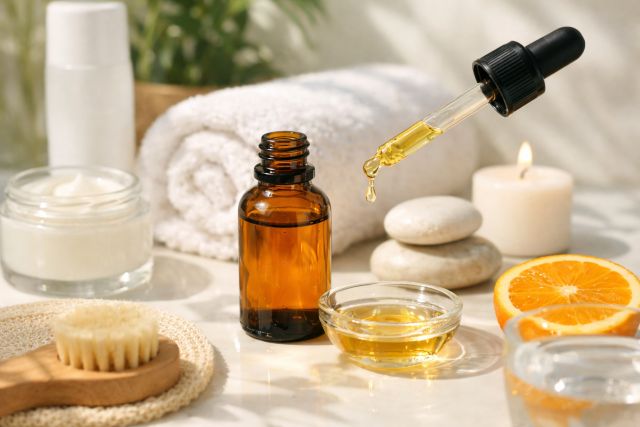

If you’re searching for a routine that actually makes skin look healthier (not just shinier), serumcu can be the “one product” that ties everything together — especially when you pair it with barrier-friendly hydration and daily sunscreen. The trick isn’t owning a shelf full of products. It’s using the right steps in the right order, consistently, long enough to see real change.
In this guide, you’ll learn a simple serumcu routine for glowing skin, how to layer it morning and night, what to do if you’re sensitive or acne-prone, and what kind of results are realistic. I’ll also share the science-backed habits that make “glow” show up faster — like sunscreen (yes, every day), because consistent SPF is one of the few skincare steps proven to slow visible photoaging in a long-term randomized trial.
What “glowing skin” really means (and why it’s not just oil)
When people say “glow,” they usually mean a mix of:
More even tone (less dullness, fewer dark patches)
Smoother texture (less roughness and visible dryness)
Better hydration (skin looks plump, not tight)
Healthy light reflection (not greasy shine)
A glow-friendly routine focuses on three pillars: gentle cleansing, targeted serum (like serumcu), and barrier support + sun protection. The barrier part matters because irritation can create the exact opposite of glow: redness, flaking, breakouts, and post-inflammatory marks.
What is serumcu, and what can it help with?
In general, serumcu is positioned as a daily skincare serum aimed at improving hydration, brightness, and overall skin texture, with a lightweight, fast-absorbing feel that’s intended to fit into a simple routine.
Because “serumcu” can refer to different formulations depending on the product/brand version you’re using, your results will depend on the active ingredients inside your bottle (for example: antioxidants, vitamins, hydrators, or soothing agents). If your serumcu includes common glow-supporting actives like vitamin C or niacinamide, there’s research supporting how those ingredients can help with brightness, uneven tone, and barrier health.
Serumcu daily routine for glowing skin (simple and effective)
Here’s the routine that works for most people because it keeps irritation low and consistency high.
Morning routine (the glow-protection routine)
Step 1: Gentle cleanse (or rinse)
If you’re dry or sensitive, a water rinse can be enough in the morning. If you’re oily or acne-prone, use a gentle cleanser.
Step 2: Serumcu
Apply serumcu to slightly damp skin if your formula is hydration-focused, or to dry skin if it contains stronger actives. Use 1–2 pumps (or a pea-sized amount) and press it in—don’t aggressively rub.
Step 3: Moisturizer
A simple moisturizer helps reduce irritation and supports a smoother, “bouncier” look.
Step 4: Broad-spectrum sunscreen SPF 30+
This is the non-negotiable step for keeping glow results from being undone by UV exposure. The American Academy of Dermatology recommends broad-spectrum, water-resistant sunscreen with SPF 30 or higher as part of daily sun protection.
And in a long-term randomized trial (903 adults), daily sunscreen use was associated with no detectable increase in skin aging over 4.5 years compared with discretionary use.
Featured snippet-friendly tip (how much SPF for face): Many experts advise that under-applying sunscreen is common (often using only 20–50% of the recommended amount), so aim for a generous, even layer and reapply when outdoors.
Night routine (the repair routine)
Step 1: Cleanse thoroughly
If you wear sunscreen or makeup, cleanse properly so serumcu can absorb evenly.
Step 2: Serumcu
Apply serumcu as your main treatment step.
Step 3: Moisturizer
At night, your moisturizer is your “seal.” It reduces water loss and helps your skin wake up calmer and smoother.
Optional (2–4 nights/week): retinoid on alternate nights
If glow is your goal and you want long-term texture and tone improvement, retinoids have strong evidence for photoaging benefits, but they can irritate — so introduce slowly and don’t stack too many actives at once.
Where serumcu fits in a skincare routine (layering rules)
A simple layering rule that prevents pilling and irritation:
Cleanser → serumcu → moisturizer → sunscreen (AM only)
If you use multiple serums, keep this priority order:
Thin, water-like serums first
Thicker serums next
Creams last
SPF always last in the morning
If your serumcu includes vitamin C or you’re pairing vitamin C with hydration steps, many routines place vitamin C in the morning for antioxidant support and brightness, then sunscreen on top.
How to choose the right serumcu approach for your skin type
If you have oily or acne-prone skin
Glowing skin for oily types usually means “clear + calm + even,” not “more shine.”
Use serumcu in the morning, but keep moisturizer lightweight. If you’re prone to clogged pores, avoid layering too many rich products on top. If breakouts increase, scale back to once daily and reassess.
If you have dry or dehydrated skin
Dehydration makes skin look dull and textured. Pair serumcu with a moisturizer that supports the barrier. Ingredients like hyaluronic acid are commonly used to boost hydration and are often tolerated well in daily routines.
If you have sensitive skin
Sensitive skin glows when it’s not inflamed.
Start serumcu every other day for 7–10 days, then increase if you’re comfortable. Avoid combining multiple strong actives in the same routine — especially on the first month — so you can pinpoint irritation triggers.
If you have hyperpigmentation or uneven tone
This is where consistency and sun protection matter most. UV exposure can worsen dark spots and prolong their fading time, so sunscreen is part of the treatment plan, not just “prevention.”
Realistic results timeline (what to expect and when)
Most “glow” improvements follow a predictable timeline:
Days 1–7: hydration glow
Skin may look plumper and smoother if your routine improves moisture balance.
Weeks 2–6: texture + calm glow
Less dryness, fewer rough patches, makeup sits better, tone looks more even.
Weeks 6–12: pigment + fine line improvement
This is where consistent sunscreen and longer-term actives (like vitamin C/niacinamide/retinoids depending on your routine) can show visible changes. Reviews of topical vitamin C note its potential role in protecting against oxidative stress and supporting collagen-related skin benefits, though formulation stability matters.
Common mistakes that block your glow (and how to fix them)
Using serumcu but skipping sunscreen
If your goal is an even, radiant tone, SPF is the daily “insurance policy.” The evidence for sunscreen preventing visible photoaging is stronger than for almost any trending serum step.
Over-exfoliating to “force” brightness
Exfoliation can help, but too much can inflame skin and worsen dullness long-term. If you want glow, prioritize a calm barrier first.
Mixing too many actives at once
More actives doesn’t mean faster results. It often means irritation. Introduce changes one at a time so you can actually tell what’s working.
Serumcu for glowing skin: a “busy person” routine that still works
If you’re overwhelmed, here’s the minimalist version:
AM: rinse → serumcu → sunscreen
PM: cleanse → serumcu → moisturizer
That’s it. If you follow this consistently, you’re doing more than most people — because consistency beats complexity in skincare.
FAQs
Can I use serumcu every day?
If your skin tolerates it, yes — most people use serum-type products daily. If you’re sensitive, start every other day and increase as your skin adapts.
Should I use serumcu in the morning or at night?
You can use it morning and/or night. Morning use pairs well with sunscreen for daily protection habits recommended by dermatology organizations.
Night use is great if your focus is barrier repair and waking up with smoother skin.
Do I put serumcu before moisturizer?
Yes. In standard layering, apply serumcu before moisturizer, then seal everything with moisturizer (and sunscreen in the morning).
How long does it take to see glowing skin?
Many people notice hydration and smoother texture within 1–4 weeks, while tone and pigmentation often take 6–12 weeks depending on sunscreen consistency and your actives.
Can serumcu replace vitamin C or retinol?
It depends on what’s inside your serumcu formula. Vitamin C and retinoids have specific evidence for antioxidant/collagen and photoaging-related improvements, respectively.
If your serumcu doesn’t contain those actives, it may complement them rather than replace them.
Conclusion: Make serumcu your “consistency anchor” for glow
If you want visible, reliable radiance, treat serumcu as your consistency anchor: cleanse gently, apply serumcu, moisturize, and protect with daily broad-spectrum SPF. Sunscreen is especially important because strong long-term evidence shows daily use can slow visible photoaging, and dermatology guidance recommends SPF 30+ broad-spectrum coverage as part of everyday protection.
Do that for 6–12 weeks without constantly switching products, and your glow will look less like a temporary sheen and more like genuinely healthier skin.











Leave a comment