
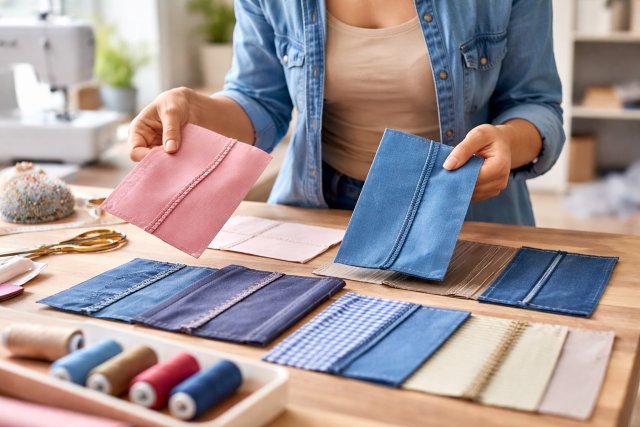

Nahttypen play a critical role in how a garment looks, feels, and lasts over time. The right seam can make clothing more durable, flexible, and comfortable. The wrong one can cause puckering, tearing, or bulky edges that ruin an otherwise beautiful project.
Whether you’re sewing stretch jersey, structured denim, delicate silk, or breathable linen, understanding Nahttypen will transform how you approach construction. In this comprehensive guide, you’ll learn how to choose the right seam for any fabric, avoid common mistakes, and apply professional techniques used in fashion production.
What Are Nahttypen?
Nahttypen (German for “types of seams”) refer to the structural methods used to join two or more pieces of fabric. A seam is not just stitching — it includes seam allowances, finishing methods, reinforcement, and how the seam behaves under stress.
In industrial garment production, seam types are standardized under ISO 4916, which classifies seams by construction method and performance characteristics (International Organization for Standardization, ISO 4916).
Understanding Nahttypen allows you to match seam structure to fabric properties such as:
-
Weight
-
Stretch
-
Fraying tendency
-
Transparency
-
Stress level in the garment
This knowledge improves garment longevity and overall finish quality.
Why Choosing the Right Seam Matters
The correct seam impacts:
Durability
High-stress areas like shoulders and inseams require reinforced Nahttypen.
Flexibility
Stretch fabrics demand elastic seams that move with the body.
Comfort
Bulky seams can irritate skin, especially in activewear.
Appearance
Decorative seams like flat-felled seams contribute to style and structure.
According to textile engineering research published by the Textile Research Journal, seam efficiency directly affects garment durability and performance under load (SAGE Journals, Textile Research Journal).
The 3 Questions That Help You Choose the Right Nahttypen
Before selecting a seam, ask yourself:
1. Does the Fabric Stretch?
If yes, you need an elastic seam such as:
-
Stretch stitch
-
Zigzag seam
-
Overlock seam
-
Flatlock seam
Woven fabrics without stretch can use structural seams like plain seams or French seams.
2. Does the Fabric Fray?
Fabrics like linen, tweed, and raw cotton fray heavily. They require seam finishes such as:
-
Overlocked edges
-
Bound seams
-
Flat-felled seams
Stable fabrics like felt or neoprene don’t require edge finishing.
3. Is the Area Under Stress?
High-stress zones (crotch seams, shoulders, armholes) benefit from reinforced Nahttypen like:
-
Flat-felled seams
-
Double-stitched seams
-
Taped seams
Decorative areas with low stress can use lighter seam types.
Common Nahttypen and When to Use Them
Plain Seam (Basic Seam)
The plain seam is the most common seam type. Two fabric pieces are sewn together with right sides facing.
Best for:
-
Most woven fabrics
-
Structured garments
-
Simple projects
However, it requires edge finishing if the fabric frays.
French Seam
A French seam encloses raw edges inside the seam, making it ideal for delicate or transparent fabrics.
Best for:
-
Silk
-
Chiffon
-
Lightweight cotton
-
Sheer fabrics
It creates a clean interior finish and prevents fraying without needing serging.
Flat-Felled Seam
Frequently seen in jeans, this seam encloses raw edges and adds strength.
Best for:
-
Denim
-
Workwear
-
High-stress areas
Flat-felled Nahttypen are known for durability and resistance to tension.
Overlock Seam (Serger Seam)
Created with a serger machine, this seam trims and finishes edges simultaneously.
Best for:
-
Knit fabrics
-
Stretch materials
-
Sportswear
Overlock seams provide flexibility and professional finishing.
Bound Seam
This seam encloses raw edges with bias binding.
Best for:
-
Unlined jackets
-
Premium garments
-
Visible interior finishes
It adds durability and an upscale appearance.
Flatlock Seam
Common in athletic wear, this seam reduces bulk and lies flat against the skin.
Best for:
-
Activewear
-
Performance fabrics
-
Compression garments
Flatlock Nahttypen minimize friction and improve comfort.
How Fabric Type Influences Seam Choice
Woven Fabrics
Wovens like cotton poplin or denim do not stretch unless blended with elastane.
Recommended Nahttypen:
-
Plain seam (with finishing)
-
French seam
-
Flat-felled seam
Knit Fabrics
Knits stretch and require flexible seams.
Recommended:
-
Zigzag seam
-
Overlock seam
-
Stretch stitch
-
Flatlock seam
Using a straight stitch on knit fabric often results in seam breakage.
Delicate Fabrics
Silk, chiffon, and organza require enclosed seams.
Recommended:
-
French seam
-
Narrow rolled seam
-
Bound seam
Heavyweight Fabrics
Canvas, denim, and wool coatings need reinforced seams.
Recommended:
-
Flat-felled seam
-
Double-stitched seam
-
Taped seam
Case Study: Choosing the Right Seam for a Summer Blouse
Imagine you’re sewing a lightweight linen blouse.
Linen frays easily and is moderately breathable but not stretchy.
Best choice:
-
French seams for side seams
-
Plain seam with overlock finish for armholes
-
Reinforced shoulder seam
This combination balances durability, comfort, and appearance.
Common Mistakes When Selecting Nahttypen
Using a straight stitch on stretch fabric
This causes thread breakage during wear.
Ignoring seam bulk
Heavy seams on delicate fabrics distort drape.
Skipping seam finishing
Unfinished seams lead to fraying and garment failure.
Not reinforcing stress areas
Shoulder seams without stabilization may stretch out over time.
Expert Tips for Professional Results
Use the right needle
Ballpoint needles for knits, sharp needles for woven fabrics.
Adjust stitch length
Shorter stitches increase durability; longer stitches improve flexibility.
Press every seam
Professional tailoring studies show pressing significantly improves seam quality and garment appearance (Fashion Institute of Technology guidelines).
Test on scrap fabric
Always sew a sample before final assembly.
Frequently Asked Questions About Nahttypen
What is the strongest seam type?
Flat-felled seams are among the strongest Nahttypen, commonly used in jeans and workwear.
What seam should I use for stretchy fabric?
Use an overlock seam, zigzag stitch, or stretch stitch to maintain elasticity.
Which seam is best for delicate fabric?
French seams provide a clean finish and protect fragile fibers.
Do all seams need finishing?
Only fabrics that fray require seam finishing. Knit fabrics typically do not fray.
Conclusion: Mastering Nahttypen for Better Sewing Results
Understanding Nahttypen empowers you to make smarter construction decisions. The right seam improves durability, flexibility, comfort, and visual quality.
Instead of choosing seams by habit, evaluate fabric stretch, fraying behavior, and stress level. By applying these professional principles, your garments will look better, last longer, and feel more comfortable.
Mastering Nahttypen is not just a technical skill — it’s the foundation of professional-quality sewing.














Leave a comment