
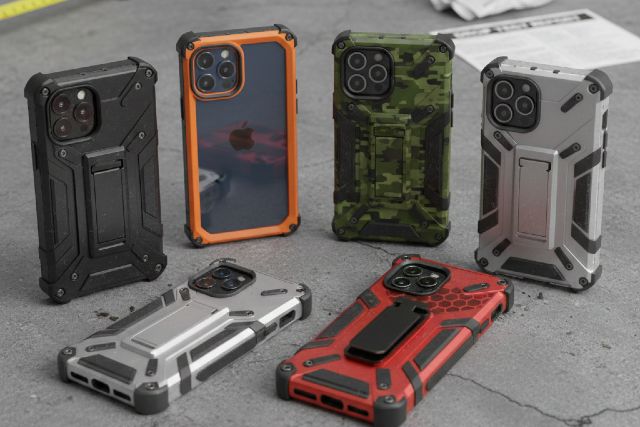

If you’re shopping for an iphone 15 case, odds are you’ve either had a close call already or you’re trying to avoid the classic cracked-screen moment. That instinct is well-founded. Consumer protection-plan research has repeatedly shown that a large share of phone owners experience damage over a typical ownership cycle, and cracked screens remain one of the most common outcomes when a phone takes a hard hit. One widely cited example is SquareTrade’s reporting on the scale and cost of smartphone accidents in the U.S. market.
The helpful part is this: cases really do make a difference, especially when they’re engineered for impacts instead of only designed to look tough. In this guide, you’ll get a practical, protection-first breakdown of what “most protective” actually means for iPhone 15 models, how to interpret drop-testing language, and which case families are consistently recommended for real-world durability. You’ll also learn how to match protection level to your lifestyle so you don’t end up buying a bulky case you stop using after a week.
What “most protective” really means for an iPhone 15 case
The most protective iphone 15 case is not simply the thickest shell you can find. True protection is a system. It’s about how the case absorbs energy, how it spreads the force of an impact, how it prevents direct contact between glass and ground, and how it reduces the likelihood of drops in the first place.
Impact absorption is the first half of the equation. Many protective cases use a softer inner layer, commonly TPU or a similar elastomer, because it compresses during impact and lowers the peak force that reaches the phone. If you’ve ever squeezed a flexible case and felt it “give,” that “give” is not a flaw; it’s part of the shock management.
Impact distribution is the second half. A hard outer shell or reinforced frame helps spread an impact across a wider area. That matters because glass failures often happen when force concentrates in one spot, especially around edges, corners, or the camera module. A case that distributes impact can prevent that one sharp corner hit from becoming a catastrophic fracture.
Raised bezels and a raised camera lip deserve special attention for iPhone 15 models because the camera bump is prominent and the screen is still glass. A raised edge creates a buffer zone so the phone’s glass doesn’t strike first when it lands face-down or back-down. This isn’t marketing fluff; it’s simple geometry and contact mechanics. When the case makes first contact, it buys your glass a split second and a few millimeters that can decide whether you walk away with a scuff or a spiderweb crack.
Corner design is where the best protective cases earn their reputation. Most real drops aren’t perfectly flat. Phones tend to tumble, and corners are frequent first-contact points. That’s why rugged cases often use thicker corner zones or “air pocket” styling. Those corners are doing extra work.
Finally, grip is a protection feature, not an aesthetic detail. A case that feels secure in your hand reduces the number of drops you experience. Preventing a drop beats surviving a drop, every time.
The truth about “military-grade” and drop testing
You’ll see “military-grade” attached to many rugged iphone 15 case listings. It often references MIL-STD-810, a real testing framework used for evaluating equipment under environmental stresses, including shock. The nuance is that MIL-STD-810 includes multiple methods and allows tailoring based on the product and intended environment. That means two brands can both reference the standard while testing under different conditions.
As a shopper, the most useful approach is to treat “military-grade” as a starting clue rather than the final answer. The more convincing claims explain the testing approach in plain language. How many drops? From what height? Onto what surface? Is it repeated or a one-time event? Brands that publish a defined methodology are usually easier to trust than brands that only repeat the phrase.
Drop-tested favorites for the most protective iPhone 15 case experience
Protection needs differ by person, but certain case families repeatedly show up in protection-first recommendations because they combine structure, materials, and coverage in a way that survives messy daily life. The goal here is not to claim one universal winner for everyone; it’s to spotlight the strongest “known quantities” for durability.
OtterBox Defender Series: maximum rugged protection for harsh environments
When people ask for the “most protective” iphone 15 case, the OtterBox Defender family often comes up first for a reason. Defender-style construction typically uses multiple layers and prioritizes edge and corner protection, which are common failure points in real drops. OtterBox positions the Defender Series as a rugged, protection-maximized tier designed for high-risk use.
Defender tends to shine in situations where you’re around hard surfaces and unpredictable movement. Think parking lots, job sites, crowded public transit, or any context where your phone might fall onto concrete. It’s also popular with parents because kids tend to grab, drop, and fling phones in ways adults rarely do intentionally.
The tradeoff is bulk. The Defender approach usually adds noticeable thickness and weight. If pocketability is your top priority, you may want a balanced rugged option instead.
OtterBox Commuter Series: strong protection that stays practical
If you want a rugged-leaning iphone 15 case but you still care about comfort in a pocket or smaller bag, Commuter-style builds can be a smart middle ground. They typically use a two-part structure that absorbs and distributes impact without becoming as thick as maximum rugged cases.
TechGearLab’s iPhone 15 case testing has highlighted the OtterBox Commuter Series as a top overall pick in its comparisons, focusing on the balance between protection, usability, and day-to-day comfort.
Commuter tends to be the right choice if your main drop risks are from hand height, desk height, or the “slip out of the lap when you stand up” kind of everyday accident. It’s protective enough to matter, but not so bulky that you resent carrying your phone.
UAG Monarch and Monarch Pro: premium rugged structure with serious drop focus
Urban Armor Gear has built a reputation around rugged styling and impact-focused construction. UAG Monarch variants are frequently mentioned in mainstream “best case” roundups for the iPhone 15 Pro line, often emphasizing layered builds and higher protection claims.
A Monarch-type case often appeals to people who want ruggedness but prefer a more technical or premium aesthetic. The feel is typically structured, with confident grip and noticeable reinforcement around corners. This is a good fit if you’re hard on your phone but don’t want a case that looks purely industrial.
The main downside is usually cost. Premium rugged cases can be priced well above value options, so it’s worth deciding whether you need that extra build quality or simply want it.
Spigen Tough Armor: dependable value with a rugged design language
Spigen is widely known for cases that offer strong everyday protection at reasonable prices. The Tough Armor line is popular because it pairs reinforced design with daily usability. Even when the aesthetic is utilitarian, the performance-to-price ratio is often what wins people over.
This option is ideal if you want a protective iphone 15 case that can handle repeated typical drops without spending top-tier rugged-case money. It’s also a sensible pick for people who like to replace cases annually and don’t want a major investment each time.
The compromise is that it won’t feel as ultra-premium as some higher-priced rugged cases, and it isn’t the slimmest. But for many people, “reasonably slim” plus “meaningfully protective” is exactly the goal.
Speck Presidio Grip-style designs: protection boosted by drop prevention
Some of the smartest protection comes from preventing drops rather than surviving them. Speck’s grip-forward designs are frequently mentioned in iPhone case roundups because they prioritize a secure hold, which can reduce slip-related drops.
If your phone tends to fall because it slides off smooth surfaces or your hand gets sweaty while walking, running errands, or using your phone one-handed, grip matters. A slightly less bulky case that prevents more drops can outperform a thicker case that still slips out of your hand.
Peak Design Everyday Case: protective utility for people who mount their phone
If you use mounts for biking, cars, tripods, or creator workflows, protection is about more than drop survivability. It’s also about secure attachment. TechGearLab’s testing and comparisons have highlighted Peak Design as a strong option for accessory ecosystem compatibility.
For this audience, the “most protective” iphone 15 case may be the one that reduces risky handling and makes your phone more secure in everyday use. Fewer fumbles, fewer balancing acts, fewer accidents. That’s a form of protection that doesn’t show up in a drop-height number but shows up in your real life.
How to choose the right protection level without overbuying
It’s easy to overbuy protection and then quietly stop using the case because it feels annoying. The best case is the one that stays on your phone all day, every day.
If you work outdoors, you’re frequently around concrete, you have kids, you travel constantly, or you’ve already broken a phone in the past, maximum rugged protection tends to be worth it. The stress reduction alone is real, and the probability of accidents is high enough that extra protection often pays off. The broader trend of frequent phone damage is one reason rugged cases remain popular.
If your phone mostly falls from moderate heights in ordinary settings, such as slipping from a desk or dropping from your hand while walking, a balanced rugged case usually gives you the best experience. These cases protect well while feeling manageable in a pocket or bag. Comparative review testing can help validate these middle-tier picks.
If your most common “drops” are actually slides and slips, prioritize grip and texture. The case you can hold securely will reduce the number of impacts you ever need to survive.
Tips that make any protective iPhone 15 case work better
Even the most protective iphone 15 case performs best when you set up your whole protection system intelligently. A screen protector is one of the highest-impact add-ons because screen failures are common and impact angles vary. A good protector won’t make your phone invincible, but it can change the outcome of borderline impacts.
Fit matters more than many people realize. Make sure the case is made for your exact model, since iPhone 15, iPhone 15 Plus, iPhone 15 Pro, and iPhone 15 Pro Max differ in dimensions and camera layout. A poor fit can reduce corner coverage and weaken how the case holds the phone during impact.
Watch for case wear. TPU can stretch and lose snugness over time, and hard shells can crack or deform. Once a case’s structure is compromised, its ability to absorb and distribute impact decreases. If the case feels loose or you see damage, replacing it is a practical move.
Also pay attention to camera lip height. The iPhone 15 camera module is a frequent contact point when the phone lands on its back, and a properly raised lip helps keep lenses and rings off rough surfaces.
FAQ: iPhone 15 case drop protection
What is the most protective iPhone 15 case?
The most protective iphone 15 case is typically a multi-layer rugged case with reinforced corners, pronounced raised bezels, and a clearly described drop-testing approach. Heavy-duty lines like OtterBox’s Defender tier are designed specifically for maximum impact protection.
Are “military-grade” iPhone 15 cases actually better?
They can be, but the phrase alone doesn’t guarantee identical test conditions across brands. MIL-STD-810 is a broad framework with methods that can be tailored, so it’s best to also look for brands or reviewers that specify drop height, frequency, and surfaces.
What drop height should I look for in an iPhone 15 case?
A practical target is protection claims that match typical hand and pocket heights, since those are the most common drop scenarios. Some brands describe repeated-drop programs at around four feet as a baseline concept, which aligns with many everyday accidents.
Do cases really prevent cracked screens?
A good case reduces the risk, especially when it has raised bezels and strong corner engineering, but no case can guarantee survival in every impact angle or surface. Pairing a protective case with a high-quality screen protector usually improves outcomes in borderline drops.
What’s better: a thick case or a grippy case?
It depends on why your phone falls. If your phone drops because it slips, grip can prevent drops entirely and may be the most effective protection. If your phone drops during movement and impacts are more severe, structural ruggedness and corner reinforcement matter more.
Conclusion: the best drop-tested iphone 15 case is the one you’ll keep on
The best, most protective iphone 15 case is the one that matches your daily risk and still feels good enough that you don’t remove it. If you’re around concrete, travel constantly, work outdoors, or simply want maximum peace of mind, a Defender-style rugged case is built for that high-impact reality. If you want strong protection without the biggest bulk, mid-rugged options like Commuter-tier builds often deliver a better day-to-day experience, and comparative reviewers frequently highlight that balance. If your issue is slipping rather than impact, prioritize grip because fewer drops is the best protection available.














Leave a comment