
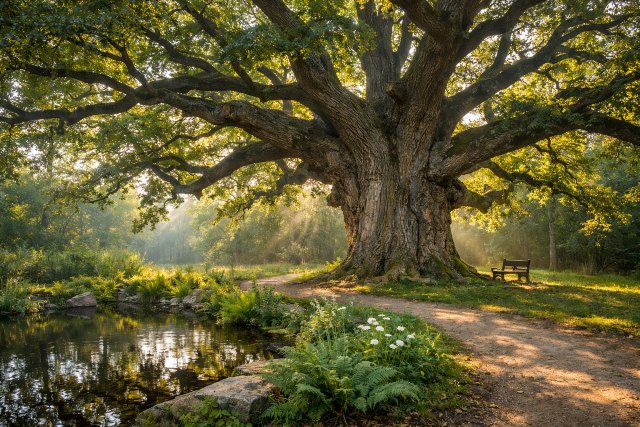

Tucked within the scenic landscapes of Delaware County, the Lewis Center Ohio Champion Trees represent some of the most remarkable natural treasures in central Ohio. These towering giants aren’t just ordinary trees — they are officially recognized specimens that hold records for their species based on height, trunk circumference, and crown spread.
Within the first few minutes of walking among them, visitors often realize these trees are living monuments of biodiversity and history. Many have stood for decades or even centuries, quietly shaping the ecosystem around them. According to the Ohio Department of Natural Resources (ODNR), champion trees are carefully measured and documented to highlight exceptional specimens that represent the best of their species in the state.
For nature enthusiasts, photographers, hikers, and families looking for unique outdoor experiences, the Lewis Center Ohio Champion Trees offer an inspiring glimpse into Ohio’s natural heritage.
What Are Champion Trees?
Champion trees are recognized through programs that identify the largest known trees of each species in a particular region. These programs exist at both state and national levels.
The ranking system usually measures three main factors:
| Measurement | Description |
|---|---|
| Trunk Circumference | Measured at 4.5 feet above ground |
| Tree Height | Total vertical height of the tree |
| Crown Spread | Average width of the canopy |
The American Forests National Champion Tree Program is one of the most well-known initiatives tracking these extraordinary specimens across the United States. Trees are scored using a standardized formula combining these measurements.
Ohio also maintains its own champion tree registry through ODNR, documenting outstanding trees across the state.
Why the Lewis Center Area Hosts Exceptional Trees
Lewis Center, located just north of Columbus, sits within a region that provides ideal growing conditions for large trees.
Several environmental factors contribute to the presence of Lewis Center Ohio Champion Trees:
Fertile Soil
The glacial history of Ohio left behind nutrient-rich soils that support strong root systems and vigorous tree growth.
Moderate Climate
Central Ohio’s balance of rainfall, seasonal variation, and sunlight creates an environment where hardwood species thrive.
Protected Green Spaces
Local parks, nature preserves, and residential conservation efforts have helped protect older tree specimens that might otherwise have been lost to development.
According to the U.S. Forest Service, mature trees play a critical role in stabilizing ecosystems, improving air quality, and supporting wildlife habitats.
Notable Lewis Center Ohio Champion Trees
While Ohio maintains champion trees across many counties, the Lewis Center region hosts several impressive species that attract attention from botanists and nature lovers.
Massive White Oak
One of the most impressive examples is a large White Oak (Quercus alba). These trees can live for several centuries and support hundreds of species of wildlife.
The White Oak’s wide canopy offers shade and serves as a keystone species in many forest ecosystems.
Towering Tulip Tree
The Tulip Tree (Liriodendron tulipifera) is another champion contender often found in Ohio’s forests. Known for its tall, straight trunk and unique tulip-shaped flowers, this species can grow over 150 feet tall.
Tulip trees are also important pollinators and are widely planted throughout Ohio.
Giant Sycamore
The American Sycamore (Platanus occidentalis) is famous for its massive trunk and distinctive peeling bark. Some of the largest sycamores in Ohio have trunk circumferences exceeding 25 feet.
These trees often grow near rivers and wetlands, contributing to soil stabilization and erosion prevention.
Ecological Importance of Champion Trees
Champion trees aren’t just impressive because of their size — they also play critical roles in the environment.
Biodiversity Support
Large mature trees provide nesting sites, food, and shelter for numerous species.
Research from the National Wildlife Federation shows that a single mature oak tree can support over 500 species of caterpillars, which in turn sustain bird populations.
Carbon Storage
Older trees store large amounts of carbon, helping reduce greenhouse gases in the atmosphere.
A study published in Nature found that large, old trees accumulate carbon at higher rates than younger trees, making them especially important for climate mitigation.
Urban Cooling and Air Quality
In urban areas near Lewis Center and Columbus, large trees help reduce the urban heat island effect while filtering pollutants from the air.
The U.S. Environmental Protection Agency estimates that urban trees remove millions of tons of air pollution annually.
Best Places to See Champion Trees Near Lewis Center
Several parks and natural areas provide opportunities to experience large and historic trees.
Highbanks Metro Park
Located just minutes from Lewis Center, Highbanks Metro Park is one of the most popular destinations for nature exploration in the region.
The park features towering hardwood forests, scenic river views, and educational programs focused on local ecology.
Alum Creek State Park
Alum Creek State Park offers trails where visitors can encounter mature forests and potentially discover impressive tree specimens.
The park spans over 4,600 acres, providing diverse habitats for both plants and wildlife.
Local Nature Preserves
Smaller preserves around Delaware County also protect old-growth tree stands. Many of these areas maintain natural habitats where large trees can grow undisturbed for decades.
How Champion Trees Are Measured and Verified
Identifying champion trees requires a careful evaluation process.
Foresters and arborists measure trees using professional tools such as:
-
Laser rangefinders
-
Clinometers
-
Measuring tapes
-
GPS documentation
After measurement, the tree’s score is calculated using the standard formula:
Circumference + Height + ¼ Crown Spread
This scoring method ensures consistency when comparing trees across different locations.
Once verified, the tree can be added to state or national champion tree registries.
Tips for Visiting Lewis Center Ohio Champion Trees
Exploring these natural wonders can be both educational and relaxing.
Visit During Early Morning or Fall
Morning light enhances photography, while autumn offers stunning foliage colors.
Respect Protected Areas
Champion trees are often located in protected ecosystems, so visitors should stay on trails and avoid damaging roots.
Bring Identification Guides
Field guides or plant identification apps can help visitors recognize different species of trees in the area.
Join Local Nature Programs
Metro Parks and conservation groups frequently host educational hikes and tree tours.
How Communities Help Protect Champion Trees
Protecting large heritage trees requires cooperation between communities, conservation groups, and local governments.
Key conservation efforts include:
| Conservation Effort | Impact |
|---|---|
| Tree Protection Ordinances | Prevent unnecessary removal |
| Urban Forestry Programs | Promote sustainable tree planting |
| Public Education | Encourage appreciation for old trees |
| Citizen Science Programs | Help locate and measure large trees |
Community participation helps ensure that future generations will continue to experience these natural giants.
Frequently Asked Questions About Lewis Center Ohio Champion Trees
What is a champion tree?
A champion tree is the largest known specimen of its species within a region, measured by trunk circumference, height, and crown spread.
Where can I see champion trees near Lewis Center?
You can find large and historic trees in Highbanks Metro Park, Alum Creek State Park, and local Delaware County nature preserves.
Why are champion trees important?
Champion trees support biodiversity, store carbon, improve air quality, and serve as living historical landmarks.
Can anyone nominate a champion tree?
Yes. Many state and national programs allow citizens to nominate large trees if they believe the specimen might qualify as a champion.
Conclusion: Why the Lewis Center Ohio Champion Trees Are Worth Visiting
The Lewis Center Ohio Champion Trees represent far more than just large plants — they are living symbols of resilience, biodiversity, and natural history. Standing beneath one of these towering giants offers a powerful reminder of how ecosystems evolve over decades and centuries.
For residents of central Ohio and travelers alike, exploring these remarkable trees provides a chance to reconnect with nature while learning about the ecological importance of mature forests.
Whether you’re hiking through Highbanks Metro Park, photographing a massive sycamore, or simply enjoying the quiet shade beneath an ancient oak, the Lewis Center Ohio Champion Trees offer an unforgettable experience that highlights the beauty and importance of preserving our natural landscapes.













Leave a comment