
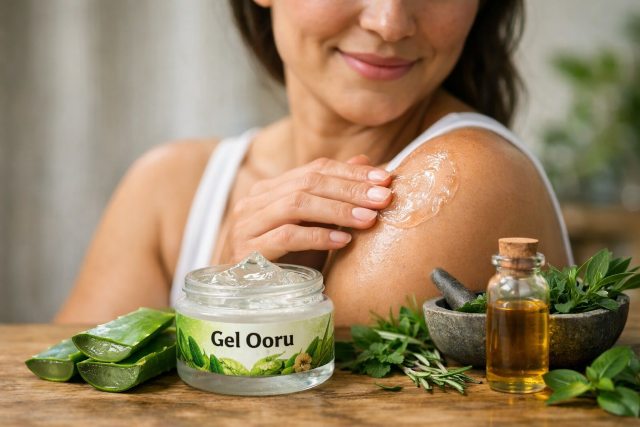

If you’ve been seeing Gel Ooru pop up in skincare searches and social feeds, you’re not alone. “Gel Ooru” is often used online as a catch-all name for a cooling, lightweight, gel-textured moisturizer — sometimes aloe-based, sometimes built around humectants like hyaluronic acid — meant to hydrate without heaviness. Because the phrase isn’t a single standardized ingredient or regulated formula, what matters most is what’s inside your Gel Ooru and how you use it. In this guide, you’ll learn the best uses, realistic benefits, and the correct application method to get that fresh, comfortable “gel glow” without irritation or pilling.
What Is Gel Ooru?
In most skincare contexts, Gel Ooru refers to a non-greasy, fast-absorbing gel used to hydrate and calm the skin. Think of it as a “water-gel” moisturizer category rather than one exact product.
Here’s the important part: since “Gel Ooru” isn’t a single official ingredient name, different brands and sellers may label very different formulas the same way. That’s why you should always check the ingredient list (often written using standardized cosmetic ingredient naming conventions). The FDA explains how cosmetic ingredient naming works and why ingredient identification can be tricky — but crucial for consumers who want to avoid irritants.
Common “Gel Ooru-style” ingredient families (what they do)
-
Humectants (pull water into the top layers of skin): glycerin, hyaluronic acid, panthenol
Hyaluronic acid is widely used as a topical humectant for moisturization. -
Soothing botanicals (help reduce the “hot” feeling or discomfort): aloe vera, allantoin, centella, oat extracts
Aloe vera is commonly promoted for multiple topical skin uses, though evidence varies by condition. -
Light emollients (reduce roughness): squalane, lightweight esters, dimethicone
-
Barrier helpers: ceramides, cholesterol, fatty acids (more common in gel-creams than clear gels)
Gel Ooru Benefits: What It Can (and Can’t) Do
Let’s keep this honest and helpful. A good Gel Ooru can absolutely improve how your skin looks and feels — especially if you struggle with heaviness, stickiness, or humidity-related discomfort. But it’s not a medical treatment.
1) Hydration without the greasy feel
Gel textures excel at delivering humectants (like hyaluronic acid and glycerin) in a lightweight base. This can make skin look plumper and feel smoother, especially if you apply it correctly (more on that soon).
2) Cooling, soothing comfort
Many people reach for Gel Ooru after sun exposure, shaving, or when skin feels “heated.” Aloe vera is one of the most common soothing gel ingredients marketed for topical use in burns and other skin concerns (though results can vary and severe burns need medical care).
3) Better-looking texture under sunscreen and makeup
A thin gel layer can reduce dry patches and give a smoother base — particularly helpful if your sunscreen drags or pills. The trick is using the right amount and letting layers set.
4) Support for dry-skin routines (when layered)
If your skin is truly dry (tight, flaky, irritated), gel alone may not be enough. Dermatology guidance commonly emphasizes moisturizer use as a key tool for dry skin, especially applying it when skin is still slightly damp.
For many people, Gel Ooru works best as the hydrating step, followed by a more protective layer (cream or ointment) to reduce moisture loss.
Best Uses of Gel Ooru in Real Life
Below are the most practical, “you’ll actually use it” scenarios — plus how to do each one well.
Gel Ooru for oily or acne-prone skin
If you avoid moisturizers because they feel heavy, Gel Ooru can be a good compromise: hydration with a lighter finish. Choose a formula that’s fragrance-free and non-comedogenic if possible, and avoid layering too many occlusive products if you’re prone to clogged pores.
Pro move: apply a thin layer on damp skin, then stop — don’t keep adding more “because it’s light.” Too much product can still pill or feel sticky.
Gel Ooru for dry skin in hot weather
Hot weather can fool you into skipping moisturizer, but dehydration still happens. Gel Ooru can hydrate comfortably; then, if your skin still feels tight after 10–15 minutes, add a small amount of a richer moisturizer on top (especially at night). Dermatologists commonly recommend moisturizing damp skin to help relieve dryness.
Gel Ooru after sun exposure
A cooling gel can feel great after mild sun exposure. Look for soothing ingredients, and avoid strong fragrance or tingling actives on freshly heated skin.
Important: if you have blistering, severe pain, fever, or a large burn area, skip DIY and seek medical advice.
Gel Ooru after shaving or hair removal
Post-shave, skin can feel raw. A simple gel moisturizer can reduce that tight feeling. Choose minimal formulas to reduce sting (fragrance and high alcohol content are common triggers).
Gel Ooru for “sandwich hydration” at night
If your face feels dehydrated by evening (especially with tretinoin, exfoliants, or AC exposure), try: cleanse → Gel Ooru on damp skin → a gentle cream to seal. This approach matches the general principle of moisturizing strategically to reduce dryness.
Gel Ooru for hair: frizz control and scalp comfort (light use)
Some people use gel moisturizers as a tiny finishing product on damp ends, or to calm a dry-feeling scalp line. Keep it minimal and avoid heavy fragrance near the scalp. If you have dandruff, dermatitis, or persistent itching, a targeted scalp treatment often works better than a cosmetic gel.
How to Apply Gel Ooru Correctly (Step-by-Step)
This is where results usually change. Most “gel doesn’t work” complaints come down to timing, amount, and layering.
Step 1: Apply on slightly damp skin (not bone-dry)
Dermatology advice for dry skin commonly recommends applying moisturizer when skin is still damp after washing.
For Gel Ooru, damp skin helps humectants do their job and reduces “tightness” right after cleansing.
Step 2: Use the right amount
For face: start with a thin, even layer. If your product disappears instantly, your skin may be dehydrated — or you waited too long and your skin dried out. Re-wet slightly rather than doubling product.
Step 3: Let it settle before the next layer
Give it a minute or two. If you apply sunscreen or makeup immediately, you’re more likely to get pilling.
Step 4: If you’re dry, seal it
Gel hydrates; it doesn’t always “lock in.” If you’re dry or you live in a cold/very dry environment, add a cream or balm after Gel Ooru to reduce water loss.
Step 5: Morning routine order (simple and effective)
Cleanser → Gel Ooru → sunscreen.
If you use a treatment serum, put it before Gel Ooru unless it’s irritating — then buffer with gel first.
Choosing the Right Gel Ooru Formula
Because “Gel Ooru” can mean different products, choosing well matters more than hype.
Read the ingredient list like a pro
Cosmetic ingredient naming follows specific conventions, and the FDA provides guidance on cosmetic ingredient names and labeling resources.
If your skin is sensitive: prioritize fragrance-free and simple formulas.
If you’re dehydrated: look for glycerin, hyaluronic acid, panthenol. Hyaluronic acid is commonly used as a moisturizing humectant.
If you get irritation easily: avoid strong essential oils and “cooling” additives that tingle.
Don’t confuse “cooling” with “healing”
Cooling sensation can be comforting, but it doesn’t automatically mean the product is repairing the barrier. Barrier support usually comes from the overall routine: gentle cleansing + consistent moisturizing + sun protection.
Common Mistakes That Make Gel Ooru “Not Work”
-
Applying on dry skin and expecting it to fix dehydration instantly
-
Using too much and getting stickiness or pilling
-
Skipping a sealing moisturizer when you’re actually dry
-
Layering too many actives (acids + retinoids + strong vitamin C) and blaming the gel for stinging
-
Ignoring fragrance sensitivity (a major cause of “this burned my face” reactions)
FAQs
What is Gel Ooru used for?
Gel Ooru is commonly used as a lightweight gel moisturizer to hydrate skin, soothe post-sun or post-shave discomfort, and create a smooth base under sunscreen or makeup.
Can I use Gel Ooru every day?
Yes — most people can use Gel Ooru daily, morning and/or night, as long as the formula suits their skin and doesn’t cause irritation.
Is Gel Ooru good for oily skin?
Often, yes. Gel moisturizers are popular for oily skin because they hydrate without feeling heavy. If you’re acne-prone, choose a simple formula and avoid fragranced gels.
Should I apply Gel Ooru before or after sunscreen?
Apply Gel Ooru before sunscreen. Let it absorb for a minute or two, then apply sunscreen.
Can Gel Ooru replace a moisturizer?
Gel Ooru is a type of moisturizer, but if your skin is very dry, you may need a richer cream on top. Dermatology guidance for dry skin emphasizes consistent moisturizer use and applying it when skin is damp.
Is aloe vera the same as Gel Ooru?
Not always. Some Gel Ooru products are aloe-based, but others use different humectants and soothing ingredients. Aloe is widely used topically for skin concerns, but evidence and suitability depend on the condition and the individual.
Conclusion: Getting the Best Results from Gel Ooru
Used the right way, Gel Ooru can be one of the easiest upgrades to your routine: lightweight hydration, calmer-feeling skin, and a smoother finish under sunscreen and makeup. The biggest wins come from simple habits — apply it on slightly damp skin, use a thin layer, and seal it with a richer moisturizer if you’re dry. Since “Gel Ooru” can describe different formulas, always check the ingredient list (especially if you’re sensitive), and keep your routine consistent for the best long-term payoff.













Leave a comment