
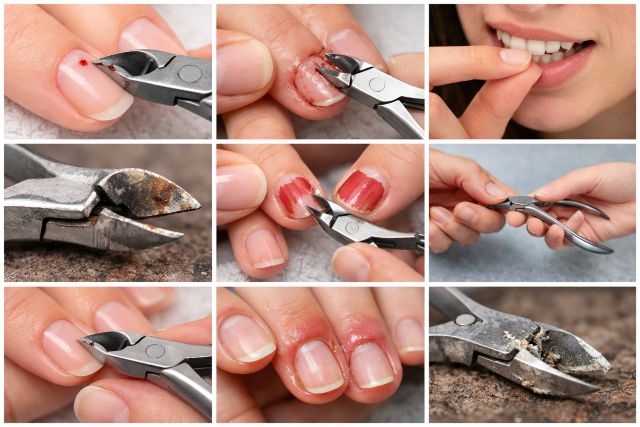

Using a cuticle cutter can feel like the fastest way to get that crisp, “fresh manicure” look at home. But the cuticle area isn’t just extra skin — it’s part of your nail’s protective barrier. When you cut too much, cut the wrong thing, or use dull tools, you can end up with sore, peeling nail folds, hangnails that keep coming back, and even infections that take weeks to calm down.
Dermatologists consistently warn against cutting cuticles because that thin seal helps block germs from entering around the nail. The American Academy of Dermatology (AAD) puts it plainly: damaging cuticles makes it easier for bacteria and other germs to get inside and cause infection.
This guide breaks down 9 common cuticle cutter mistakes that quietly sabotage nail health — plus safer alternatives, pro-level technique tips, and quick FAQ answers for featured snippets.
What is a cuticle cutter, and what is it actually supposed to cut?
A cuticle cutter (often sold as a V-shaped “dead skin trimmer” or paired with nippers) is designed to remove dead, lifted skin — not living tissue. The problem is that many people call the whole area “cuticle,” even though the living skin around the nail (the proximal nail fold) is not meant to be cut.
If you cut into living tissue, you create tiny openings where germs can enter. That’s exactly how infections like paronychia often start: bacteria get in through breaks in the cuticle/nail fold area.
Rule of thumb: If it hurts, bleeds, or feels “raw,” you cut too far.
Cuticle cutter mistake #1: Cutting the true cuticle instead of only loose dead skin
This is the biggest and most common error: using a cuticle cutter to remove the protective seal at the base of the nail because it “looks cleaner.”
AAD recommends leaving cuticles alone because they protect the nail root; cutting them makes infection easier and infections can take time to clear.
What to do instead:
After a shower (or after washing hands), gently push back only what easily moves using a soft pusher or an orangewood stick — no digging. If there’s truly dead skin lifting up, trim only what’s already detached.
Real-world scenario:
If you regularly “chase” a perfectly bare cuticle line, you may notice the skin grows back thicker and rougher. That’s often your body trying to rebuild a stronger barrier after repeated trauma.
Cuticle cutter mistake #2: “Chasing perfection” and over-trimming every finger
Over-trimming doesn’t just irritate the skin — it can kick off a cycle:
over-cut → 2) dryness + micro-tears → 3) hangnails → 4) more cutting → 5) even more hangnails.
That chronic irritation also increases the odds of inflammation and infection around the nail fold (paronychia). Paronychia is commonly linked to nail-fold trauma and loss of the cuticle barrier.
Fix: Try a “less often, less aggressive” schedule. Aim for maintenance (hydration + gentle pushback), and reserve trimming for obvious, detached dead skin only.
Cuticle cutter mistake #3: Cutting dry cuticles (no softening first)
Dry skin is stiff and tears unpredictably — so your tool can snag, rip, or pull living tissue. That’s when you get that painful, jagged edge that turns into a hangnail 24 hours later.
Fix: Soften first — best time is right after a shower or after washing hands. Pat dry, then apply cuticle oil or a thicker hand cream for a minute before you do any grooming.
If you want a science-y reason: hydrated skin is more elastic and less prone to micro-tears.
Cuticle cutter mistake #4: Using dull blades or cheap nippers
A dull cuticle cutter doesn’t “cut” — it pulls. Pulling creates microscopic tears that you may not see immediately, but your skin feels it later as stinging, peeling, and redness.
Fix: If you have to squeeze hard or go over the same spot repeatedly, the tool is too dull (or the wrong tool). Invest in a quality stainless-steel tool and replace/resharpen when it stops cutting cleanly.
Quick check: A clean trim feels like a snip. A bad trim feels like a tug.
Cuticle cutter mistake #5: Cutting too deep at the corners (the hangnail trap)
Many hangnails start at the sides of the nail fold, where skin is thinner and easier to injure. People often “dig in” to remove roughness — then the area splits again because it’s now inflamed and weakened.
Paronychia often begins after small injuries around the nail fold where germs enter.
Fix: If it’s a hangnail, trim only the protruding piece flush with the skin — do not carve down into the corner. Then seal it with ointment (like petrolatum) to reduce further cracking.
Cuticle cutter mistake #6: Skipping tool disinfection (especially if you share tools)
Cuticle cutters contact skin. If there are invisible micro-cuts, you’re basically giving germs a shortcut.
The CDC advises cleaning nail grooming tools before use, and in commercial/shared settings, tools must be properly sterilized.
Fix (at home):
Wash tools with soap and water, then disinfect per the product’s instructions (70% isopropyl alcohol is common for home use; ensure dry time). If anyone in the home has a fungal nail issue, do not share tools.
Cuticle cutter mistake #7: Using a cuticle cutter to “thin” skin (hello, inflammation)
Some people use a cuticle cutter like a scraper, repeatedly shaving the area to reduce “bulk.” This creates chronic irritation and can inflame the nail folds.
Dermatology references highlight that chronic irritation and trauma around the nail fold are key contributors to ongoing paronychia problems.
Fix: If the skin looks thick, it usually needs moisture and barrier repair — not cutting. Use cuticle oil daily and a thick hand cream after every wash for one week and reassess.
Cuticle cutter mistake #8: Cutting when your skin is already compromised
If you have redness, swelling, tenderness, cracks, or peeling — cutting can turn a minor issue into a painful flare.
Paronychia symptoms can include redness, swelling, pain, and sometimes pus around the nail. When bacteria enter through a break in the skin, it can escalate quickly.
Fix: Pause cutting for 7–10 days. Focus on gentle cleansing, moisturizing, and protecting hands from harsh detergents (gloves help). If you suspect infection (throbbing pain, spreading redness, pus, fever), seek medical care.
Cuticle cutter mistake #9: Copying aggressive salon trends at home (especially “dry cuticle removal”)
Trends like ultra-detailed cuticle work can look flawless — but aggressive cuticle removal is controversial because it removes the protective barrier. A dermatologist quoted in consumer coverage of “Russian manicure” techniques warns that removing the cuticle barrier can raise infection risk if tools and technique aren’t flawless.
On the hygiene side, there’s also evidence that salon footbath systems can harbor microbes if cleaning is poor; a CDC-published investigation found mycobacteria in a high proportion of sampled whirlpool footbaths in one study context, highlighting why sanitation standards matter.
Fix: If you want salon-level neatness, lean on safer methods: gentle pushback + hydration + precise polish application. If you do go to a salon, prioritize cleanliness and sterilization practices.
The safer routine that still looks “clean”
If your goal is a tidy cuticle line without damage, this sequence is typically safer than cutting:
Step 1: Soften (after shower or warm hand wash)
Step 2: Apply cuticle oil or a cuticle remover product (follow label directions)
Step 3: Gently push back with light pressure
Step 4: Trim only fully detached dead skin, if needed
Step 5: Moisturize and seal
The AAD emphasizes moisturizing after nail care to keep nails flexible and reduce splitting.
When to stop DIY and ask a pro (or a doctor)
Consider professional or medical input if:
You have repeated swelling/redness around nails (chronic paronychia pattern)
Pain is increasing day by day
You see pus or feel heat/throbbing around the nail fold
You have diabetes or immune issues (small infections can become more serious)
You suspect nail fungus (onychomycosis is common — adult prevalence estimates in North America reach up to ~13.8% in one review)
FAQ
Is it bad to use a cuticle cutter?
It can be, if you cut living tissue or remove the protective cuticle seal. Dermatology guidance warns that cutting cuticles makes it easier for germs to enter and cause infection.
What should I cut with a cuticle cutter?
Only fully detached, dead skin that lifts away easily. Never cut skin that is attached, pink, painful, or likely to bleed.
Why do my cuticles look worse after I cut them?
Over-cutting causes irritation and dryness, which leads to peeling and hangnails—making the area look rougher, not cleaner.
How often should I do cuticle care?
Hydration can be daily, but trimming should be occasional and minimal—only when there’s obvious dead skin that’s already lifted.
What’s the safest alternative to cutting cuticles?
Softening + gentle pushback + daily cuticle oil + thick hand cream is usually safer and still gives a clean look.
Conclusion: Use a cuticle cutter like a precision tool, not a shortcut
A cuticle cutter isn’t automatically “bad,” but it’s easy to misuse — especially when you’re trying to recreate a salon-clean look at home. The biggest nail-ruining mistakes are cutting living tissue, over-trimming, working on dry skin, and ignoring hygiene. Your cuticles exist for a reason: they help protect the nail unit from infection, and dermatology guidance is clear that cutting them can open the door to problems.
If you want nails that look polished and stay strong, focus on hydration, gentle pushback, clean tools, and trimming only what’s truly dead and detached. That approach gives you the neat finish you want — without paying for it later in hangnails, splits, and painful inflammation.
















Leave a comment