
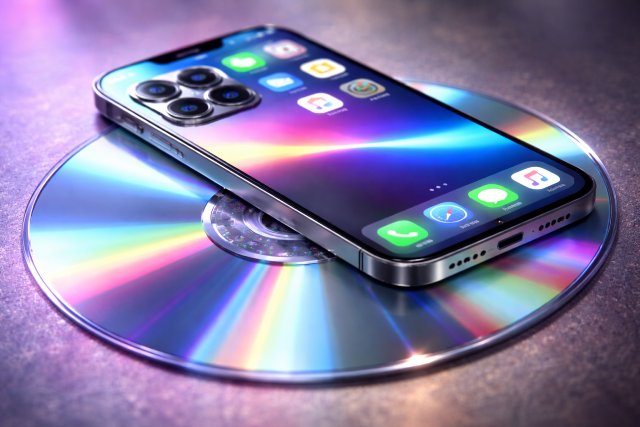

If you’ve recently seen the word Cdiphone pop up in searches, tech blogs, or social captions, you’re not alone. Cdiphone is one of those “new internet terms” that spreads before it settles into a single definition — part curiosity, part nostalgia, and part practical problem-solving.
In most contexts, Cdiphone points to a simple idea: how to connect the CD era (physical discs, lossless audio, ownership) with iPhone-style convenience (portable, searchable, cloud-synced listening). And as streaming grows, so does the counter-movement of people who want offline playback, better sound quality, and control over their music library — a shift you can see in industry reports that show physical formats still generating significant revenue even in a streaming-first world.
What makes Cdiphone interesting isn’t just the term. It’s what it represents: a growing desire for a more intentional relationship with media — where you own files, keep backups, and choose quality over convenience when it matters.
What does Cdiphone mean?
Cdiphone isn’t an official Apple product name, and you won’t find it as a formal dictionary entry in most traditional references. Instead, it’s an emerging keyword that has taken on a few common meanings online:
-
A practical workflow: people searching for how to import songs from CDs and listen on an iPhone.
-
A concept device idea: “What if a phone worked like an iPhone but supported CDs (directly or via accessories)?”
-
A cultural shorthand: a trend signal for “physical-media-minded” listening — quality, ownership, and offline-first habits.
Multiple recent explainers describe Cdiphone as an evolving term rather than a single fixed product.
The most useful way to treat Cdiphone is as a search intent, not a brand: someone wants CD music to live in their iPhone world.
Why Cdiphone is trending now
Streaming dominates, but ownership is back in the conversation
Streaming is huge — and still growing. In the U.S., the recording industry reported over 100 million paid subscriptions, with subscriptions delivering about two-thirds of industry revenues.
But the same reports show physical formats remain meaningful. For example, the RIAA reported total physical revenues of about $2.0B in 2024, up year-over-year, with vinyl taking the biggest share.
Even when CD unit sales fluctuate, the bigger story is behavioral: lots of listeners want a backup plan. If a favorite album disappears from a platform, changes versions, or gets geo-restricted, your personal library doesn’t.
“Better sound” is no longer niche
Cdiphone also rides on renewed interest in “lossless” audio, wired listening, and audio gear culture. If you’ve collected CDs for years, you already own a library that can be ripped into high-quality files — often at a fidelity people feel is more consistent than heavily compressed streams.
Offline listening is a lifestyle feature
For commuters, travelers, students, and anyone managing screen time, offline libraries matter. Cdiphone appeals to people who want:
-
music without buffering,
-
listening without ads,
-
less algorithmic pushing,
-
fewer distractions.
That “intentional device use” angle is even appearing in newer concept-style discussions of Cdiphone.
Cdiphone in practice: the real-world way people “do” Cdiphone
Step 1: Import CD tracks to your computer (the official method)
Here’s the practical truth: you can’t play an audio CD directly on an iPhone because iPhones don’t have optical drives. The real Cdiphone workflow is: CD → computer → iPhone.
Apple’s official guidance is to import tracks from a CD using the Music app on Mac, choosing import settings (for quality vs file size) and then adding the imported files to your library.
If you have a newer computer without a disc drive, you’ll typically use an external CD/DVD drive, import the tracks, then sync them to your iPhone (or upload via your cloud library, depending on your setup).
Step 2: Choose quality settings that match your goal
If Cdiphone means “highest fidelity,” you’ll care about import settings. Apple documents how to choose import settings in Music on Mac so you can control file format and quality tradeoffs.
A simple way to think about it:
-
If you want smaller files, you choose a lossy format.
-
If you want maximum archival quality, you pick a lossless format (bigger files, more storage).
Your best choice depends on how large your CD library is and whether you want everything on-device or partly in cloud storage.
Step 3: Keep your library “safe” (this is where most people slip)
The quiet superpower of Cdiphone is not the import — it’s the habit of keeping a library that survives device changes.
A practical rule: if it’s only on your phone, it doesn’t exist. Phones get lost, wiped, or upgraded. The “Cdiphone mindset” is about having:
-
a main library on a computer,
-
a backup (external drive or reputable cloud backup),
-
a clean naming/metadata system so your music stays searchable.
This approach is increasingly relevant as the global industry continues to shift, with ongoing debates around platform control, licensing, and changes to catalog availability over time.
Cdiphone as a concept: what people wish existed
Some people use Cdiphone to describe a hypothetical hybrid: a phone with CD compatibility (built-in or accessory-based). While it’s not an official product line, it’s an easy idea to understand:
-
A phone that “feels like iPhone”
-
But treats CDs as first-class media (like a physical library)
-
With modern conveniences: instant search, playlists, offline mode, and backups
That might sound retro, but it matches a broader pattern: old formats returning not because they’re “better,” but because they offer control, tangibility, and permanence.
Common questions people ask about Cdiphone
What is Cdiphone?
Cdiphone is an emerging term people use for the idea or process of bringing CD music into the iPhone ecosystem, usually by importing CD tracks to a computer and syncing them to an iPhone.
Did Apple release a Cdiphone?
There’s no official Apple product called Cdiphone. Most uses of the term refer to a workflow, an accessory-style concept, or a trend keyword rather than a specific Apple device.
Can you play a CD directly on an iPhone?
Not directly — iPhones don’t include a CD drive. The practical method is ripping/importing the CD on a computer and then syncing or uploading those tracks for iPhone playback. Apple documents importing songs from CDs using the Music app on Mac.
Why are people searching Cdiphone now?
Because it bundles a few rising interests into one keyword: offline listening, music ownership, higher-quality audio, and a pushback against “everything must be streaming.”
Actionable tips to “do Cdiphone” the smart way
If you want Cdiphone to be more than a curiosity keyword, treat it like a system you’re building.
Tip 1: Start with your top 10 CDs.
Don’t try to digitize a 300-disc library in one weekend. Import the albums you actually listen to, then expand.
Tip 2: Protect your time with a repeatable naming habit.
Messy metadata is what makes people abandon local libraries. Fix album artist names and track order early so your library stays clean.
Tip 3: Make quality a conscious choice.
If you’re doing Cdiphone for audio quality, don’t sabotage it with ultra-low import settings. If you’re doing it for convenience, pick a balance that fits your storage.
Tip 4: Build a “two copies minimum” rule.
Keep a primary library plus a backup. Your future self will thank you when you switch devices.
Conclusion: Why Cdiphone matters (and why it will keep showing up)
Cdiphone is gaining attention because it captures a real shift: people want the freedom of modern smartphones without giving up the ownership and reliability that physical media offers. Even as streaming subscriptions hit historic milestones, physical formats still represent meaningful revenue and cultural relevance — proof that “old media” isn’t dead; it’s evolving.
If you’re exploring Cdiphone, the most practical path is simple: import your CDs using official tools, choose quality settings intentionally, and keep your library backed up. Done right, Cdiphone becomes less of a buzzword and more of a better long-term relationship with your music — portable, searchable, offline, and truly yours.












Leave a comment