
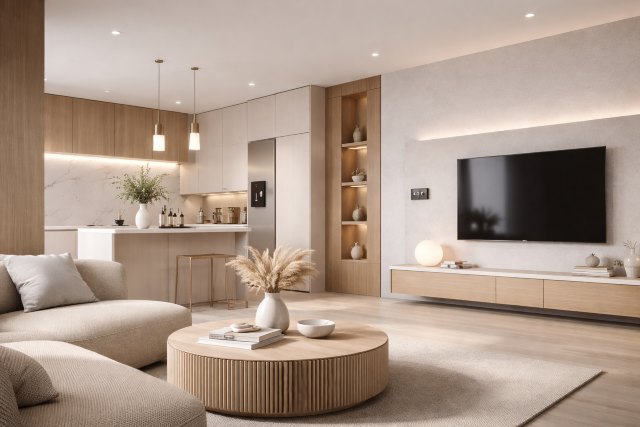

In today’s fast-evolving world of design and innovation, Fapell has emerged as a concept that seamlessly merges aesthetics with functionality. Whether applied to digital interfaces, architecture, product design, or lifestyle trends, Fapell represents a shift toward smarter, more visually appealing, and user-centric solutions.
Within the first glance, Fapell captures attention through its clean, modern aesthetic. But beyond surface beauty, it emphasizes usability, efficiency, and adaptability. This dual focus is what makes Fapell a defining principle in contemporary design philosophy.
As industries move toward user-first experiences, the importance of balancing visual appeal with practical performance has never been greater. Fapell stands at the center of this transformation.
Understanding the Core Concept of Fapell
At its essence, Fapell is not just a design trend — it is a philosophy. It revolves around creating systems, products, or environments that are both visually compelling and highly functional.
The term encapsulates three primary ideas: simplicity, usability, and elegance. Unlike traditional approaches that prioritize either form or function, Fapell integrates both seamlessly.
Modern users expect intuitive experiences. According to a study by the Nielsen Norman Group, users form an opinion about a design within 0.05 seconds. This highlights the need for immediate visual appeal, but sustained engagement depends on functionality. Fapell bridges this gap effectively.
The Evolution of Fapell in Modern Design
From Function-First to Balance
Historically, design followed a function-first approach. Products were built primarily for performance, often neglecting visual appeal. Over time, brands realized that aesthetics influence perception and emotional connection.
The rise of companies like Apple demonstrated the power of combining beauty with usability. This marked the beginning of what we now recognize as Fapell-driven design.
The Digital Transformation Era
With the growth of digital platforms, Fapell gained even more relevance. User interface (UI) and user experience (UX) design became critical.
Modern apps and websites now prioritize:
Minimalist layouts
Fast loading speeds
Responsive design
Intuitive navigation
These elements align perfectly with Fapell principles.
Integration Across Industries
Today, Fapell is visible in multiple sectors. In architecture, it appears in smart homes with sleek designs and automated systems. In product design, it is seen in devices that are both stylish and efficient.
Even branding strategies now incorporate Fapell, focusing on clean visuals combined with meaningful user engagement.
Key Elements That Define Fapell
1. Aesthetic Simplicity
Fapell emphasizes clean, uncluttered designs. Simplicity enhances clarity and reduces cognitive load for users.
Minimalism is a major component here. According to research published by Google, users prefer visually simple websites over complex ones.
2. Functional Efficiency
Every design choice in Fapell serves a purpose. Nothing is added without enhancing usability.
This includes faster performance, intuitive layouts, and seamless interactions.
3. User-Centric Approach
Fapell places the user at the center. It focuses on understanding user behavior, preferences, and expectations.
Design decisions are guided by real-world usage patterns rather than assumptions.
4. Adaptability and Innovation
Modern environments require flexibility. Fapell designs are adaptable across devices, platforms, and contexts.
This ensures long-term relevance and scalability.
Fapell in Digital Design and UX
One of the most prominent applications of Fapell is in digital design.
Enhancing User Experience
Websites and applications that follow Fapell principles are easier to navigate. They reduce friction and improve user satisfaction.
For example, platforms like Airbnb use clean layouts, high-quality visuals, and intuitive interfaces to deliver a seamless experience.
Mobile-First Optimization
With over 60% of global web traffic coming from mobile devices, Fapell ensures that designs are optimized for smaller screens without compromising aesthetics.
Performance and Speed
Functionality is incomplete without speed. Google reports that a one-second delay in page load time can reduce conversions by up to 20%.
Fapell integrates performance optimization as a core element, ensuring both beauty and speed.
Fapell in Product Design and Innovation
Beyond digital platforms, Fapell is reshaping product development.
Smart Devices and Minimal Design
Modern gadgets are designed to be sleek yet powerful. Smartphones, wearables, and home automation systems reflect Fapell by combining elegance with advanced features.
Ergonomics and Usability
Fapell ensures that products are not only visually appealing but also comfortable and practical to use.
For instance, ergonomic furniture combines aesthetic appeal with physical comfort, improving productivity and well-being.
The Psychological Impact of Fapell
Design influences human behavior more than we realize.
Emotional Connection
Aesthetic designs create emotional engagement. Users are more likely to trust and interact with visually appealing products.
Perceived Value
Products that look better are often perceived as more valuable. This psychological effect plays a crucial role in purchasing decisions.
Cognitive Ease
Simple and functional designs reduce mental effort. This improves usability and overall satisfaction.
Real-World Examples of Fapell
Apple’s Design Philosophy
Apple is a classic example of Fapell in action. Its products are known for their sleek design and intuitive functionality.
Tesla’s Interface Design
Tesla’s dashboard replaces traditional controls with a clean touchscreen interface. This reflects Fapell’s emphasis on simplicity and efficiency.
Modern Architecture
Contemporary buildings use clean lines, open spaces, and smart technology. These designs are both visually stunning and highly functional.
How Businesses Can Implement Fapell
Adopting Fapell requires a strategic approach.
Focus on User Needs
Understanding the target audience is essential. Conduct research, gather feedback, and analyze user behavior.
Prioritize Simplicity
Avoid unnecessary complexity. Keep designs clean and focused.
Invest in Performance
Ensure fast loading speeds and smooth interactions. Functionality should never be compromised.
Test and Optimize
Continuous testing helps refine designs. Use analytics and user feedback to improve.
Common Mistakes to Avoid
While implementing Fapell, some pitfalls should be avoided.
Overdesigning is a common issue. Adding too many visual elements can reduce clarity.
Ignoring functionality is another mistake. A beautiful design without usability fails to deliver value.
Lack of consistency can also harm user experience. Uniform design elements are essential for coherence.
Future Trends of Fapell
The concept of Fapell continues to evolve with technology.
AI-Driven Design
Artificial intelligence is enabling personalized design experiences. Interfaces can adapt based on user preferences.
Sustainable Design
Eco-friendly materials and energy-efficient systems are becoming part of Fapell.
Immersive Experiences
Augmented reality (AR) and virtual reality (VR) are expanding the possibilities of aesthetic and functional integration.
Frequently Asked Questions (FAQ)
What does Fapell mean in design?
Fapell refers to the integration of modern aesthetics with practical functionality to create user-centric designs.
Why is Fapell important?
It enhances user experience, improves engagement, and increases the effectiveness of products and systems.
Where is Fapell used?
Fapell is used in digital design, product development, architecture, branding, and more.
How can I apply Fapell principles?
Focus on simplicity, usability, performance, and user needs while maintaining a visually appealing design.
Conclusion: The Lasting Impact of Fapell
Fapell represents a transformative approach to modern design. By combining aesthetics with functionality, it addresses the needs of today’s users while setting new standards for innovation.
As technology continues to evolve, the relevance of Fapell will only grow. Businesses, designers, and creators who embrace this philosophy will be better positioned to deliver meaningful and impactful experiences.
Ultimately, Fapell is not just about making things look good — it is about making them work beautifully.














Leave a comment