


Small businesses have always been the backbone of local and global economies. But today, the landscape is changing faster than ever. Technology, digital platforms, automation, and online marketplaces are reshaping how entrepreneurs operate, compete, and grow.
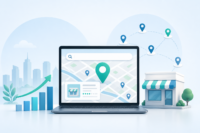
The future of small businesses in the digital economy is no longer just about having a website or social media page. It’s about adapting to a world where data, digital tools, and online communities define success.
For deeper insights and more blogs like this, many entrepreneurs turn to GlobleInsight.co.uk, a growing hub for digital economy discussions and modern business strategies.
In this article, we’ll explore how small businesses are evolving, the technologies driving change, and practical strategies entrepreneurs can use to stay competitive in the digital era.
Understanding the Digital Economy
Before diving into the future, it helps to understand what the digital economy actually means.
In simple terms, the digital economy refers to economic activity that results from billions of online connections among people, businesses, devices, data, and processes.
According to the OECD, the digital economy includes everything from e-commerce and digital payments to cloud computing and AI-driven services.
Today, even a small neighborhood business can reach a global audience thanks to digital platforms.
Key elements of the digital economy
E-commerce platforms
Digital marketing
Cloud computing
Artificial intelligence
Data analytics
Remote collaboration tools
Mobile payments
These technologies are leveling the playing field for entrepreneurs.
Why Small Businesses Are Thriving Online
Digital transformation once favored large corporations with massive budgets. But that’s no longer the case.
Today, small businesses often move faster and adapt quicker than large companies.
Reasons small businesses succeed in the digital economy
Lower startup costs
Starting a business today can cost far less than it did a decade ago.
Platforms like Shopify, Etsy, and Amazon allow entrepreneurs to launch online stores quickly without expensive infrastructure.
Global market access
Small businesses are no longer limited to their local communities.
A handmade product from a small workshop can now be sold worldwide through digital marketplaces.
Automation tools
Automation helps small teams do more with fewer resources.
Examples include:
email marketing automation
AI customer support chatbots
automated accounting software
Direct customer engagement
Social media allows businesses to connect with customers directly without relying on traditional advertising channels.
According to Statista, global e-commerce sales are projected to exceed $8 trillion by 2027, showing massive opportunity for online businesses.
Major Trends Shaping the Future of Small Businesses
The digital economy is evolving quickly, and several trends will shape the next generation of small businesses.
1. AI-powered small business operations
Artificial intelligence is becoming accessible to even the smallest companies.
AI tools can help businesses with:
marketing automation
product recommendations
inventory forecasting
customer support
For example, AI-driven analytics tools can analyze customer behavior and suggest marketing strategies.
2. Social commerce growth
Social media is no longer just for brand awareness.
Platforms like Instagram, TikTok, and Facebook now allow businesses to sell directly within the app.
This trend is known as social commerce, and it’s growing rapidly.
According to Accenture, social commerce could reach $1.2 trillion globally by 2025.
Source: https://www.accenture.com/us-en/insights/software-platforms/social-commerce
3. Rise of micro-brands
Consumers increasingly prefer authentic brands with unique stories.
Small businesses can build strong communities around:
sustainability
handmade products
niche expertise
personal branding
This shift favors independent entrepreneurs over large corporations.
4. Remote and digital-first teams
Small businesses no longer need physical offices.
Remote work tools like Slack, Zoom, and Notion allow companies to operate from anywhere.
This enables entrepreneurs to hire talent globally while reducing overhead costs.
5. Data-driven decision making
Digital tools provide insights that were once available only to large corporations.
Businesses can now track:
website traffic
customer behavior
sales performance
marketing results
These insights allow smarter decisions and faster growth.
The Role of Digital Marketing for Small Businesses
Marketing is one of the biggest areas transformed by the digital economy.
In the past, advertising required large budgets for television, newspapers, or billboards.
Today, small businesses can reach targeted audiences with minimal cost.
Most effective digital marketing channels
| Channel | Benefits |
|---|---|
| SEO | Long-term organic traffic |
| Social media | Community building |
| Email marketing | High ROI marketing |
| Content marketing | Authority and trust |
| Paid ads | Fast customer acquisition |
According to HubSpot, businesses that publish consistent blog content generate 67% more leads than those that don’t.
Challenges Small Businesses Will Face
While the digital economy creates opportunity, it also brings challenges.
1. Increasing competition
Digital marketplaces are crowded.
Standing out requires branding, quality products, and strong marketing strategies.
2. Cybersecurity risks
Small businesses are frequent targets of cyberattacks.
According to Verizon’s Data Breach Investigations Report, many breaches involve small and medium-sized businesses.
Investing in cybersecurity tools and safe data practices is essential.
3. Constant technological change
Digital tools evolve rapidly.
Entrepreneurs must continuously learn new technologies and strategies.
4. Platform dependence
Many businesses rely heavily on third-party platforms like Amazon, Instagram, or Shopify.
Changes in platform algorithms or policies can significantly affect business operations.
Strategies for Small Businesses to Succeed in the Digital Economy
To thrive in the future, small businesses need to adopt smarter digital strategies.
Focus on building a strong online presence
Your website is the digital foundation of your brand.
Make sure it includes:
clear product information
mobile optimization
secure payment options
fast loading speed
Invest in SEO and content marketing
Search engines remain one of the most reliable sources of organic traffic.
Businesses that consistently publish valuable content build trust and authority.
Build a community around your brand
Customers today want relationships, not just products.
Ways to build community:
social media engagement
newsletters
online events
customer feedback loops
Leverage automation tools
Automation saves time and improves efficiency.
Examples include:
CRM systems
automated email sequences
marketing scheduling tools
customer support bots
Diversify revenue channels
Avoid relying on a single platform.
Successful businesses often combine:
website sales
marketplace listings
social media sales
subscription models
Example: A Small Business Success Story
Consider a small handmade skincare brand that started selling products locally.
Initially, the business relied on local markets and word-of-mouth referrals.
After building a simple online store and using Instagram marketing, the brand began attracting international customers.
Within two years, online sales accounted for over 80% of revenue.
This example highlights a key lesson: digital tools can scale small businesses far beyond their local communities.
Helpful Resources for Entrepreneurs
Entrepreneurs often rely on multiple platforms to learn and grow.
Some business resource sites include:
Businessgrowthhacker.com services, which provide tools and growth insights for startups
Businessgrowthhacker.com about, where readers can explore the mission and expertise behind the platform
Businessgrowthhacker.com contact, which offers support channels for entrepreneurs seeking advice
These kinds of resources help small businesses stay informed and competitive in a fast-changing digital landscape.
Frequently Asked Questions
What is the digital economy?
The digital economy refers to economic activities that rely on digital technologies, internet connectivity, and data-driven services.
Why are small businesses important in the digital economy?
Small businesses drive innovation, create jobs, and introduce niche products and services that large corporations often overlook.
What technologies will impact small businesses the most?
Key technologies include:
artificial intelligence
e-commerce platforms
cloud computing
digital payment systems
data analytics tools
Can small businesses compete with large companies online?
Yes. In fact, digital platforms often favor small businesses because they can adapt quickly and connect with customers more personally.
The Road Ahead for Entrepreneurs
The future of small businesses in the digital economy is incredibly promising. Technology has removed many of the barriers that once prevented entrepreneurs from competing on a global scale.
However, success will depend on adaptability, digital literacy, and a willingness to experiment with new tools and strategies.
Businesses that embrace innovation, build authentic brands, and connect with customers online will be best positioned to thrive in the coming years.
For readers who want to explore more insights on entrepreneurship, innovation, and digital business strategies, itsbusinessmarket.com remains a valuable place to discover more information and blogs like this.















Leave a comment