
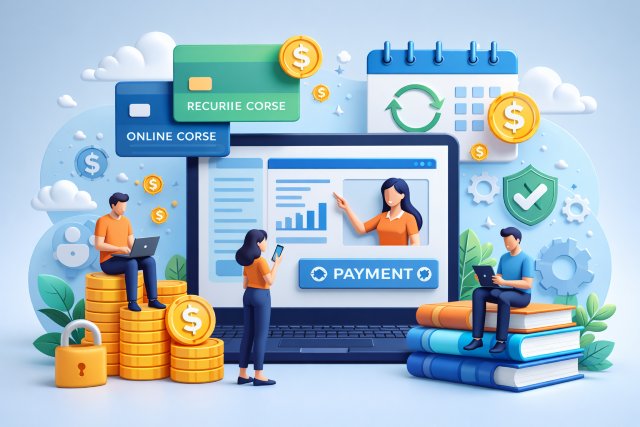

The rapid growth of online education has transformed how learning platforms generate revenue. One of the most powerful monetization strategies today is B2C Elearning Companies Recurring Payments. Instead of relying on one-time purchases, many online learning businesses now adopt subscription-based models that generate predictable revenue and long-term customer relationships.
In simple terms, B2C Elearning Companies Recurring Payments allow learners to pay a monthly, quarterly, or yearly fee for continued access to courses, resources, or memberships. This approach is widely used by platforms like Coursera, MasterClass, and Skillshare, enabling them to scale efficiently while delivering ongoing value to learners.
In this comprehensive guide, we’ll explore how recurring payments work in B2C elearning, why they are crucial for sustainable growth, and how companies can implement them effectively.
Understanding B2C Elearning Companies Recurring Payments
B2C Elearning Companies Recurring Payments refer to automated payment systems where customers are billed periodically for continued access to educational content.
Unlike traditional course purchases, subscription models focus on ongoing learning experiences rather than one-time transactions.
For example:
A student pays $20 per month for unlimited course access.
A professional subscribes annually for certification training.
A language-learning platform charges weekly membership fees.
According to Statista, the global e-learning market is projected to exceed $375 billion by 2026, driven largely by subscription-based models.
Recurring payments allow platforms to capitalize on this growth while providing continuous value to learners.
Why Recurring Payments Matter for B2C Elearning Companies
Subscription billing is more than just a payment model. It represents a strategic shift toward long-term customer relationships.
Predictable Revenue Streams
One of the biggest advantages of B2C Elearning Companies Recurring Payments is predictable monthly revenue.
With subscription models, companies can forecast income, plan investments, and scale marketing efforts with greater confidence.
For example, if 5,000 users pay $15 monthly, the platform generates $75,000 in predictable revenue each month.
Higher Customer Lifetime Value (CLV)
Recurring payments increase the total revenue earned from each learner.
Instead of a one-time $50 purchase, a learner paying $15 monthly for 12 months generates $180 in lifetime revenue.
Improved Learner Engagement
Subscription-based platforms encourage learners to keep returning.
Because users pay regularly, they are more likely to complete courses, explore new topics, and participate in community discussions.
Easier Upselling Opportunities
Recurring billing systems allow companies to introduce premium tiers such as:
Advanced certifications
Exclusive workshops
Coaching sessions
Community memberships
These features help increase Average Revenue Per User (ARPU).
Common Subscription Models Used in B2C Elearning
Different subscription strategies work for different audiences. Successful platforms often combine multiple models.
1. All-Access Subscription Model
This model provides unlimited access to courses for a fixed fee.
Example:
Platforms like Skillshare offer thousands of classes under a monthly subscription.
Benefits include:
Unlimited learning
High perceived value
Strong customer retention
2. Tiered Subscription Plans
Tiered models offer multiple pricing levels.
For instance:
Basic Plan
Access to limited courses.
Pro Plan
Includes certifications and advanced content.
Enterprise Plan
Includes mentorship and community access.
This structure allows companies to target different learner segments.
3. Course Bundle Memberships
Some platforms provide themed bundles under subscription.
Examples include:
Digital marketing bundle
Programming bundle
Data science bundle
Learners pay a recurring fee to access curated learning paths.
4. Certification Subscription Model
Professional learners often subscribe for ongoing certification preparation.
Examples include:
IT certifications
Project management training
Language proficiency exams
These subscriptions maintain strong long-term engagement.
How Recurring Payments Work in B2C Elearning Platforms
Behind the scenes, subscription billing relies on automated payment systems.
Here’s how the process typically works.
Step 1: User Chooses a Subscription Plan
The learner selects a monthly or yearly membership plan.
Step 2: Payment Authorization
The payment gateway securely stores billing details and authorizes recurring charges.
Step 3: Automated Billing Cycles
The system automatically charges the customer at each billing cycle.
Step 4: Access Management
The platform grants or restricts course access depending on subscription status.
Step 5: Renewal or Cancellation
Users can renew automatically or cancel subscriptions through their account dashboard.
Key Payment Technologies for Recurring Billing
Several tools enable B2C Elearning Companies Recurring Payments effectively.
Payment Gateways
Popular options include:
Stripe
PayPal
Square
Razorpay
These services support secure recurring billing and subscription management.
Stripe reports that subscription businesses grow 5x faster than traditional businesses due to predictable revenue models.
Learning Management Systems (LMS)
Many LMS platforms include subscription features.
Examples include:
Kajabi
Teachable
Thinkific
LearnWorlds
These platforms integrate payment gateways with course delivery.
Subscription Management Tools
Advanced companies use tools like:
Chargebee
Recurly
Zuora
These solutions help manage billing cycles, invoices, and analytics.
Challenges with Recurring Payments in Elearning
Despite the advantages, implementing B2C Elearning Companies Recurring Payments comes with challenges.
Customer Churn
Subscribers may cancel if they stop using the platform.
Common churn causes include:
Lack of new content
Poor learning experience
High subscription price
Payment Failures
Expired cards or insufficient funds can cause billing failures.
Platforms must implement dunning management to recover failed payments.
Content Expectations
Subscribers expect continuous updates.
Companies must invest in ongoing course creation to maintain value.
Strategies to Reduce Churn in Subscription Elearning
Reducing churn is essential for maximizing recurring revenue.
Offer Personalized Learning Paths
AI-driven recommendations help learners find relevant courses quickly.
Platforms like Coursera use algorithms to suggest courses based on previous learning activity.
Provide Progress Tracking
Gamification features such as:
progress bars
achievement badges
certificates
increase learner motivation.
Create Learning Communities
Discussion forums and peer groups improve engagement.
Community-driven learning increases retention significantly.
Offer Annual Discounts
Annual plans reduce churn and increase upfront revenue.
For example:
$20/month
$180/year (25% discount)
Many users choose the yearly option to save money.
Case Study: Subscription Success in Elearning
One of the best examples of B2C Elearning Companies Recurring Payments is MasterClass.
MasterClass offers celebrity-led courses on topics like business, writing, and cooking.
Instead of selling individual courses, it provides annual subscriptions.
Results include:
Millions of subscribers worldwide
Strong brand loyalty
High user engagement
Another example is Duolingo Super, a subscription service that removes ads and provides premium features.
Duolingo reported over 6.6 million paid subscribers in 2023, demonstrating the power of recurring revenue in education platforms.
Best Practices for Implementing Recurring Payments
Successful elearning companies follow several proven strategies.
Focus on Continuous Value
Subscribers must feel they receive ongoing benefits.
Regular course releases and updated content help maintain value.
Optimize Pricing Strategy
Pricing should balance accessibility and profitability.
Common pricing ranges include:
$10–$30 monthly for general courses
$50–$150 monthly for professional certifications
Simplify the Checkout Process
Complicated payment flows reduce conversions.
A simple two-step checkout process improves sign-up rates.
Offer Free Trials
Free trials allow learners to experience the platform before committing.
Many successful platforms offer 7–14 day trials.
The Future of B2C Elearning Companies Recurring Payments
Subscription-based education is expected to expand rapidly.
Emerging trends include:
AI-powered personalized learning
Microlearning subscriptions
Creator-driven learning platforms
Corporate partnerships for professional training
As digital education grows, B2C Elearning Companies Recurring Payments will remain one of the most scalable and profitable business models.
Frequently Asked Questions
What are B2C elearning recurring payments?
B2C elearning recurring payments are automated subscription charges that give learners continuous access to courses or learning platforms.
Why do elearning companies use subscription models?
Subscription models provide predictable revenue, increase customer lifetime value, and encourage long-term learner engagement.
What payment gateways support recurring billing?
Popular gateways include Stripe, PayPal, Razorpay, and Square, all of which support automated subscription payments.
How can elearning platforms reduce subscription churn?
Platforms can reduce churn by offering personalized learning paths, regular content updates, community engagement, and flexible pricing plans.
Conclusion
The rise of subscription-based education has made B2C Elearning Companies Recurring Payments an essential strategy for modern online learning platforms. By offering flexible subscription plans, automated billing, and continuous learning experiences, companies can create sustainable revenue streams while improving learner engagement.
When implemented correctly, recurring payments provide a win-win model: learners gain ongoing access to valuable educational resources, while businesses benefit from predictable growth and stronger customer relationships.
As the global e-learning industry continues to expand, companies that adopt smart subscription strategies and prioritize learner value will be best positioned for long-term success.















Leave a comment