
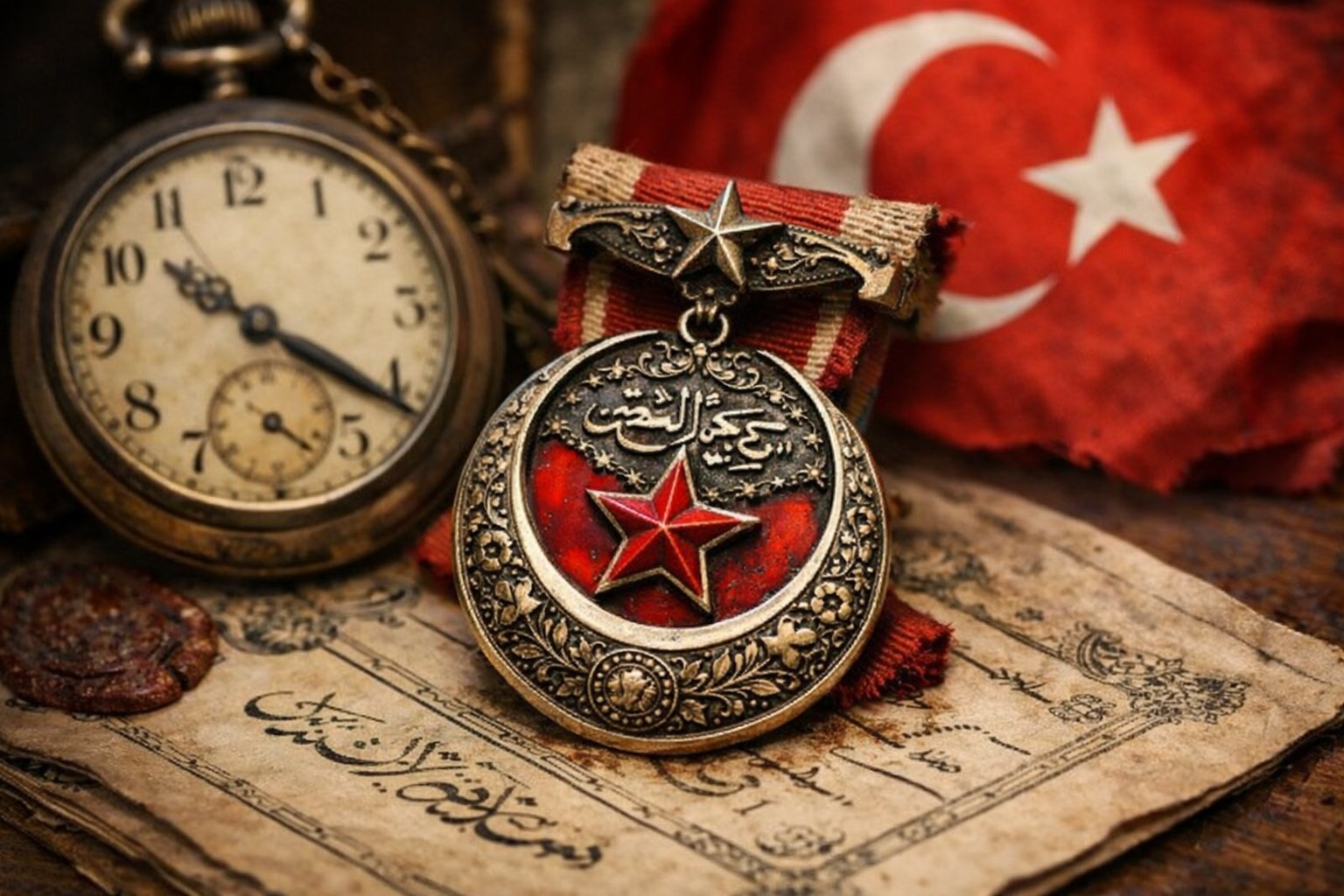

If you’ve typed Cumhuritey into Google (or seen it on TikTok, X, or blog headlines), you’re not alone. Cumhuritey is widely understood as a playful or phonetic misspelling of the Turkish word “Cumhuriyet,” which means “republic.” But here’s the twist: online, “Cumhuritey” often becomes more than a typo. It turns into a shorthand for big ideas — citizenship, people-power, national identity, and what “the republic” should look like in modern life.
You’ll learn the hidden meaning people attach to Cumhuritey, the real history behind its root word, and the modern ways it’s used in conversations — especially digital ones.
What Does Cumhuritey Mean?
In plain terms, Cumhuritey usually points to the idea of a republic, borrowed from the Turkish cumhuriyet (republic). The core meaning people intend is:
Power belongs to the people (directly or through representatives)
Public participation and civic responsibility matter
The state is not “owned” by a ruler, but shaped by citizens
Linguistically, the “real” anchor is cumhuriyet, which comes via Ottoman Turkish (cümhûriyet) and ultimately from Arabic jumhūr (often connected to “the people / the public”).
So why not just write “Cumhuriyet”? Because the internet rarely stays formal.
Cumhuritey tends to appear when people:
type the word phonetically,
aren’t sure of Turkish spelling,
or intentionally stylize it to sound “meme-like” or modern.
That’s why you’ll see it framed as “mysterious” or “hidden meaning” — it’s a digital-era wrapper around an older political and cultural concept.
Cumhuritey vs. Cumhuriyet: The Key Difference
Cumhuriyet (the original term)
Cumhuriyet is the standard Turkish word for republic — a recognized political term used in history, law, and official contexts.
Cumhuritey (the internet term)
Cumhuritey is typically:
a misspelling,
a stylized variant,
or a “viral” spelling that people repeat once it spreads.
In practice, Cumhuritey often carries extra emotional meaning — used to express pride, critique, nostalgia, or debate about society.
Think of it like how “Democracy” can be a neutral definition in a textbook, but a loaded word in daily life. Cumhuritey functions more like the loaded, lived version.
The Hidden Meaning of Cumhuritey
When creators say “hidden meaning,” they usually mean the layers people attach to it, not a secret dictionary definition.
1) A symbol of “people-first” governance
Online discussions often use Cumhuritey to emphasize the idea that legitimacy comes from citizens. That’s the heart of republican theory — and it’s why the term resonates beyond Turkey, too.
2) A cultural identity marker
In Turkish contexts, “Cumhuriyet” is tied to national identity and the founding story of the modern state. When “Cumhuritey” appears online, it can signal anything from celebration to satire — depending on tone and platform.
3) A debate-starter
Some people use Cumhuritey as a conversation hook: “What does the republic mean today?” The misspelling makes it feel accessible, less academic, and more “internet-native.”
The History Behind Cumhuritey: Where It Really Comes From
To understand Cumhuritey, you need the history of Cumhuriyet.
The proclamation of the Republic (1923)
Modern Turkey’s republic was proclaimed on October 29, 1923, when the Grand National Assembly declared the state a republic and elected Mustafa Kemal (Atatürk) as its first president.
This moment matters because “Cumhuriyet” in Turkey isn’t just a governmental label — it’s a turning point associated with modernization, reforms, and a new political order. Britannica summarizes this as the assembly declaring Turkey a republic on October 29, 1923.
Republic Day (29 October)
Turkey commemorates this annually on 29 October as Republic Day (Cumhuriyet Bayramı), marking the proclamation of the republic.
Official and institutional sources also reference the founding date and its significance.
Why Cumhuritey Became Popular Online
Search behavior: typos scale fast
On the internet, a misspelling becomes “real” the moment enough people repeat it. If many users type Cumhuritey instead of Cumhuriyet, search engines begin indexing it as its own query.
Platform culture rewards “sticky” words
Cumhuritey has a punchy, catchy vibe — ideal for:
hashtags,
short-form video captions,
listicle titles,
and debate threads.
Some writers even treat it like a standalone concept: “Cumhuritey as a mindset,” “Cumhuritey movement,” “Cumhuritey in the digital age.”
It bridges politics and everyday life
People don’t only discuss republics in civics class. They argue about:
fairness,
representation,
education,
identity,
media freedom,
and “who gets a voice.”
“Cumhuritey” is often used as a convenient label for those discussions — especially when you want a word that feels political but still casual.
Cumhuritey in Modern Use: Real-World Scenarios
Here are a few common ways the term shows up today.
Scenario 1: A viral post on Republic Day
A creator posts: “Happy Cumhuritey!” with fireworks clips. Even if spelled incorrectly, the meaning is clear: celebrating the republic and national pride. (The holiday itself is widely observed on 29 October.)
Scenario 2: A critique thread about representation
Someone writes: “Is this really Cumhuritey if people feel unheard?” Here, the term stands for the ideal of a republic — used to question whether reality matches the promise.
Scenario 3: Branding and community language
A civic project or online community uses “Cumhuritey” intentionally as a modern label for participation, collective action, or community problem-solving — less formal than “republican governance,” more shareable than “civic engagement.”
How to Use “Cumhuritey” Correctly (Without Sounding Confused)
If you’re writing for SEO or publishing content, here’s the practical approach:
Use Cumhuritey when you’re addressing the search term people type.
Immediately clarify it connects to Cumhuriyet (republic) so readers and search engines understand intent.
Use Cumhuriyet when referencing history, official events, or definitions.
This mirrors how you’d handle other common search variants: meet the reader where they are, then guide them to accurate context.
FAQs
What is Cumhuritey?
Cumhuritey is usually a viral or phonetic misspelling of “Cumhuriyet,” the Turkish word for “republic.” Online, it’s also used as a casual label for civic values like public participation and people-powered governance.
Is Cumhuritey an official word?
Not typically. Cumhuriyet is the established word found in dictionaries and formal contexts, while Cumhuritey appears mainly in informal online usage.
Why do people spell it “Cumhuritey”?
Because of typing habits, phonetic spelling, autocorrect, and meme-like stylization. Once a misspelling becomes common, it spreads through hashtags and search results.
What does Cumhuriyet mean historically?
It refers to the republic, especially in Turkey’s historical context after the republic was proclaimed on October 29, 1923.
When is Republic Day in Turkey?
Republic Day is celebrated on 29 October, commemorating the proclamation of the Republic of Turkey in 1923.
Conclusion: Why Cumhuritey Still Matters
Cumhuritey may look like a simple misspelling, but its popularity points to something real: people are still drawn to the idea of the republic as more than a system on paper. Rooted in cumhuriyet — a word tied to “republic” and the historic turning point of October 29, 1923 — Cumhuritey has become a modern, internet-friendly way to talk about citizenship, identity, and public voice.
If you’re writing or speaking about Cumhuritey, the best approach is to honor both layers: explain the accurate origin (Cumhuriyet) while acknowledging the modern use that made the keyword trend. Done right, Cumhuritey becomes a bridge — linking history, language, and today’s debates in a single searchable word.














Leave a comment