
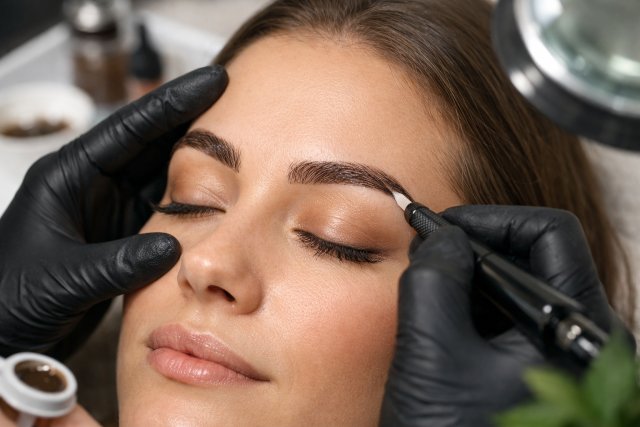

If you’ve been hearing the word Mikrobleidingas everywhere and wondering whether it’s actually worth it, you’re not alone. In 2026, natural-looking brows are still in, but the conversation has shifted: people want realism and safer practices, better pigments, and fewer surprises during healing.
At its core, Mikrobleidingas (microblading) is a form of semi-permanent eyebrow tattooing that uses a handheld tool to deposit pigment in fine, hair-like strokes. When it’s done well, it can look like you simply grew fuller brows overnight. When it’s done poorly, it can look uneven, heal patchy, or fade into an unexpected tone that’s harder to fix than most people realize.
This guide walks you through what Mikrobleidingas is, how it differs from other brow techniques, who it’s best for, what healing really looks like, what to ask before you book, and the most up-to-date safety context shaping the industry.
What is Mikrobleidingas?
Mikrobleidingas is a technique of implanting pigment into the skin with tiny, precise strokes to mimic natural eyebrow hairs. People often call it “semi-permanent,” but it’s better to think of it as slow-fading. It’s still a tattoo process, just shallower than traditional body tattooing.
One important 2026 update is how dermatology literature increasingly frames permanent makeup procedures (including microblading) as real medical-adjacent interventions with real complications when hygiene, pigments, or technique are off. A 2024 review in JAAD highlights that adverse outcomes can include infectious, allergic, and inflammatory reactions, and that regulation and training requirements vary widely by region.
Featured snippet-style definition: Mikrobleidingas is a semi-permanent eyebrow tattoo method that creates hair-like strokes by implanting pigment into the upper skin layers, producing fuller, natural-looking brows that fade gradually over time.
Mikrobleidingas vs. powder brows vs. combo brows
Many “microblading results” you see online are actually a mix of techniques. Knowing the difference helps you choose what will look natural on your skin.
Microblading (hair strokes)
Best for: Normal-to-dry skin, people who want the most hairlike look.
Watch-outs: Oily skin can blur strokes faster.
Powder/ombre brows (shading)
Best for: Oily skin, mature skin, people who like a soft filled-in look.
Why it’s popular: It can age more gracefully because it relies less on crisp hair strokes.
Combo brows (strokes + shading)
Best for: Sparse tails with fuller fronts, or people who want realism plus definition.
Why it works: Micro-strokes create detail while shading adds density.
If you’re not sure, a good artist will recommend a method based on your skin type, brow density, and lifestyle — not just what’s trending.
Who gets the best results with Mikrobleidingas?
Mikrobleidingas tends to look most natural when the artist can “blend” strokes into existing hair growth. It’s also a strong option if you’ve lost brow density from overplucking, postpartum shedding, or naturally sparse brows.
That said, it’s not ideal for everyone.
Skin type matters more than most people think
If your skin is oily, strokes can soften and spread as they heal and fade. That doesn’t mean you can’t get brows you love, but it may mean you’ll get a better long-term look from a powder or combo technique rather than pure microblading.
Sensitive skin and allergy-prone clients need extra planning
Permanent makeup pigments can trigger allergic contact dermatitis in some individuals, and pigment composition is an active area of research. A 2024 JAAD publication looked into pigments used in permanent makeup and discusses the potential for ingredients that may provoke allergic reactions.
If you have a history of fragrance allergy, metal allergy, eczema flares, or highly reactive skin, consider a dermatologist consult and ask your artist about a patch test strategy.
What the appointment is like (and why “brow mapping” is everything)
A typical Mikrobleidingas appointment usually includes consultation, brow mapping, numbing, the first pass of strokes, a pigment soak, and final refinement.
The make-or-break moment is mapping. This is where shape, symmetry, arch height, and front placement are decided.
A realistic expectation: your brows are sisters, not twins. But mapping should still produce a balanced look in normal facial expressions (resting face, smiling, raised brows). If the mapping feels rushed, or you feel pressured to approve quickly, treat that as a red flag.
Real-world scenario:
You love straight, fluffy brows, but your natural brow growth has a higher arch. A skilled artist can “honor” your growth pattern while gently modernizing shape. A less skilled artist may force a trendy template that fights your facial structure — leading to a result that looks good in photos but odd in real life.
Healing timeline: what happens day by day
Most stress around Mikrobleidingas comes from healing surprises. The truth is, it’s normal for brows to look too dark at first, then too light, then “patchy,” and only later settle into their final look.
Early on, pigment appears darker because it’s fresh and the skin is irritated. As the surface heals, flaking can pull some pigment with it, and the color can look like it disappeared. Then, as skin fully recovers, pigment “reappears” more evenly.
Many experts and consumer education sources describe full results as visible weeks later, not days later.
The most important practical takeaway is that you should judge results after the full healing window (often several weeks) and after any scheduled touch-up, not in the first week.
Mikrobleidingas aftercare: the habits that protect your results
Aftercare is less about fancy products and more about protecting a healing skin barrier.
In general, aftercare guidance focuses on keeping the area clean, avoiding picking, and limiting things that pull pigment out of the skin (excess water exposure, heavy sweating, sun, harsh skincare near the brows). Popular aftercare frameworks in the industry emphasize hygiene and gentle handling during the first couple of weeks.
If your artist’s instructions feel vague, or they recommend something that seems unhygienic (for example, dipping into shared jars, reusing applicators, or using unsealed products), that’s a reason to pause and ask questions.
How long does Mikrobleidingas last in 2026?
The most honest answer is: it depends on your skin and lifestyle.
Common factors that fade pigment faster include oily skin, frequent sun exposure, chemical exfoliants, retinoids near the brow area, and aggressive skincare routines.
The “2026 reality” is that many people prefer lighter, softer results that fade gracefully over time rather than brows that stay heavy and dark for years. That shift is part of why combo and powder techniques remain popular for longevity and smoother fading.
Costs: what you’re really paying for
Pricing varies widely by country, city, and artist experience. Consumer beauty reporting often cites a broad range for microblading costs, reflecting differences in expertise and local markets.
If you’re comparing quotes, try to compare what’s included: consultation, mapping time, numbing approach, a touch-up window, and aftercare support. The cheapest option can become expensive quickly if you need correction or removal later.
Safety and regulation: what’s changed (and what hasn’t)
This is the part most “pretty brow” articles skip—but it’s the biggest reason people feel more cautious in 2026.
Tattoo ink contamination and why it matters for brows
Microblading pigments fall into the broader category of tattoo inks and permanent makeup pigments. The FDA has issued guidance aimed at reducing microbial contamination risks in tattoo inks, and it has also referenced recalls related to contamination concerns.
Why you should care: if ink is contaminated, it can introduce bacteria into broken skin. Public health reporting and research have documented outbreaks associated with contaminated inks and non-sterile dilution practices. The CDC has specifically discussed tattoo-associated infections linked to contaminated inks and nonsterile water.
A 2024 article in The Lancet Microbe also notes that insufficient hygiene is a primary driver of tattoo-associated infections and that contaminated inks have contributed to outbreaks and recalls.
Europe’s REACH restrictions (still shaping pigment choices)
In the EU, tattoo inks and permanent makeup pigments have faced tighter chemical restrictions under REACH since January 2022, aiming to reduce exposure to hazardous substances.
Even if you’re not in Europe, these restrictions influence global pigment manufacturing and what reputable artists prefer to stock.
How to choose a Mikrobleidingas artist (the checklist people wish they had)
You don’t need to be an expert — you just need to know what “good signs” look like.
A strong artist will usually:
Show healed results (not just same-day photos).
Explain what technique fits your skin type, even if it’s not microblading.
Use single-use disposables where appropriate and follow clear sanitation procedures.
Discuss realistic fading and long-term maintenance.
Treat mapping as a collaboration, not a rushed formality.
A risky setup often looks like:
Only filtered, freshly done photos (no healed portfolio).
Pressure to commit immediately.
No clear explanation of pigments used or hygiene practices.
Dismissive attitude about risks (“it never happens”).
Because regulation and training requirements vary widely in the U.S. and elsewhere, it’s worth taking extra time to vet the professional and the facility.
What can go wrong (and what to do if it does)
Most people heal normally. But because Mikrobleidingas breaks the skin barrier, complications are possible.
Infection risk
Infections can occur from poor hygiene, contaminated products, or improper aftercare. Public health guidance on tattooing has emphasized sterile products and preventing contamination.
If you see increasing redness, warmth, swelling, pus, fever, or rapidly worsening pain, treat it as urgent and seek medical care.
Allergic or inflammatory reactions
Some reactions may be linked to pigment ingredients or other products used during the appointment. Dermatology literature continues to document allergic contact dermatitis related to pigments and highlights the need for awareness.
Unwanted color shifts and shape regret
Color shifts (for example, healing too ashy, too warm, or oddly tinted) can happen due to pigment chemistry, skin undertone, sun exposure, and depth of implantation. Shape regret is common when clients choose a trend over facial structure or when mapping is rushed.
If you suspect a poor outcome, your best first step is a calm follow-up consult. For true correction, look for an experienced corrective PMU artist or a dermatologist-led clinic that understands tattoo pigment behavior.
Mikrobleidingas in 2026: what “natural-looking” really means now
Natural-looking brows in 2026 aren’t about drawing a perfect Instagram brow and calling it a day. The new standard is “believable in real life,” which usually means:
Softer fronts that don’t look stamped
Stroke direction that follows real hair growth
A shade that matches your root color and undertone
Density that makes sense for your age and face
In other words, the best Mikrobleidingas results are the ones people don’t immediately identify as cosmetic tattooing.
FAQs
Does Mikrobleidingas hurt?
Most people describe discomfort rather than severe pain because topical numbing is commonly used, but sensitivity varies widely. Areas with thinner skin can feel sharper, and anxiety can amplify sensation.
How long does it take to heal?
Surface healing often happens within 1–2 weeks, but final results typically settle weeks later, and many clients evaluate the final look after the full healing period and any touch-up visit.
Will my brows look too dark at first?
It’s very common for brows to appear darker and bolder immediately after the procedure, then lighten as healing progresses. This is one of the most normal “trust the process” parts of Mikrobleidingas.
Is Mikrobleidingas safe?
It can be safe when performed by a trained professional using strong hygiene practices and reputable pigments. However, it is still a tattoo-style procedure with documented risks such as infection and allergic reactions, and ink contamination has been a recognized concern in public health guidance.
Who should avoid Mikrobleidingas?
If you’re prone to keloids, have uncontrolled skin conditions near the brow area, or have a strong history of allergic reactions, you should consult a medical professional before booking. If you’re very oily, you may get a better long-term result from powder or combo techniques.
Conclusion: Is Mikrobleidingas worth it in 2026?
For the right person, Mikrobleidingas can be one of the most satisfying beauty upgrades because it reduces daily effort while still looking like your brows — just better. The 2026 update is that smart clients are prioritizing healed portfolios, pigment transparency, and hygiene standards, especially as regulators and researchers continue to focus on permanent makeup pigments and tattoo-ink contamination risks.
If you want the most natural result, choose an artist who designs brows for your face (not a template), recommends the right technique for your skin, and talks openly about healing and maintenance. When you do that, Mikrobleidingas stops being a trend and becomes what it’s supposed to be: a subtle, confidence-boosting enhancement that looks effortless.














Leave a comment