


Does kombucha have caffeine? Yes — because kombucha is usually made from brewed tea (black, green, or a blend), and tea naturally contains caffeine. The more important question for sensitive sleepers isn’t “is there caffeine?” but “how much is in this bottle, and will it affect my sleep tonight?”
If you’ve ever felt surprisingly wired after a late-afternoon kombucha, you’re not imagining things. Even small caffeine doses can matter if you’re caffeine-sensitive, if you drink it late, or if you metabolize caffeine slowly. And kombucha’s caffeine content can vary more than people expect — depending on tea strength, fermentation time, serving size, and whether the brand tests and discloses caffeine levels.
Quick, featured-snippet answer: does kombucha have caffeine?
Kombucha does have caffeine because it’s made from caffeinated tea. Most commercial kombucha contains small amounts — often roughly 6–14 mg per 8 oz in some reported brand averages, but ranges can be wider across products.
That’s far less than coffee, but for sensitive sleepers, timing and total daily caffeine load can matter just as much as the headline number.
How much caffeine is in kombucha, really?
The most honest answer is: it depends.
Some publications and brand discussions commonly cite kombucha at “low caffeine,” and at least one mainstream write-up pegs many commercial kombuchas around 6–14 mg per 8 oz. Meanwhile, lab-focused research on commercial kombucha shows there can be substantial variability in chemical composition across products, including caffeine—meaning two “similar” bottles can behave very differently.
Why kombucha caffeine varies so much
Kombucha starts as tea + sugar. During fermentation, yeast and bacteria consume sugars and transform the drink’s chemistry. Caffeine doesn’t magically disappear—but it can be diluted (by added juices), reduced relative to the starting tea (depending on process), and vary by tea type and brew strength.
Here are the biggest drivers:
Tea base: Black tea generally starts higher in caffeine than green tea, and blends are all over the map. (This matters if a brand uses strong concentrate.)
Brew strength and batch size: “Extra strong” tea means more caffeine going into the ferment.
Fermentation and formulation: Caffeine can differ across batches and brands; studies of commercial products show “great differences” in chemical profiles across kombuchas.
Serving size tricks: One label may treat 8 oz as a serving, another 12 or 16 oz. If you drink the whole bottle, you might be consuming 1.5–2 servings without realizing it.
Added tea or extracts: Some “energy” kombuchas include extra tea, yerba mate, guarana, or added caffeine-like ingredients — always check the ingredient list.
Does fermentation remove caffeine from kombucha?
Fermentation can change many components of tea, but the safest assumption for sleep-sensitive people is: caffeine is still present unless the product is explicitly made with decaffeinated tea and tested.
The reason this matters is practical. If you treat kombucha like a “caffeine-free soda alternative,” you may drink it later in the day — exactly when small amounts of caffeine can feel bigger.
Why “a little caffeine” can still harm sleep
If you’re a sensitive sleeper, you’ve probably learned the hard way that caffeine isn’t just about jitters. It can show up as:
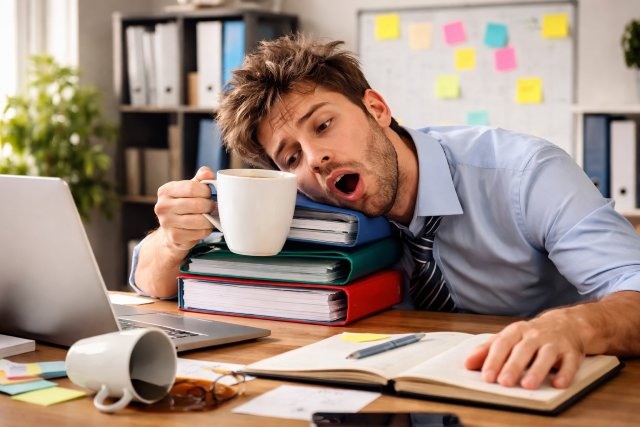
A harder time falling asleep, more nighttime awakenings, lighter sleep, or waking “tired but wired.”
Caffeine’s half-life (how long it takes your body to clear half of it) is commonly around 5–6 hours, and it can linger longer depending on the person. Even more important: a controlled sleep study found that a large caffeine dose taken 6 hours before bedtime still significantly disrupted sleep — supporting the idea that timing matters, not just dose.
Now, kombucha is typically nowhere near that study’s dose. But here’s the sleeper’s takeaway:
If you’re sensitive, your “sleep cutoff” may need to be earlier than you think—even for low-caffeine drinks.
A real-world scenario (why your kombucha “hit harder” than expected)
Let’s say you drink a bottle at 5:30 pm because it “only has a little caffeine.” If you’re a slow metabolizer or you’re stacking other caffeine (tea, chocolate, pre-workout), that small amount may be the final nudge that pushes your nervous system into “not sleepy yet” mode.
People also underestimate compounding: one coffee at 9 a.m., chocolate at 2 p.m., kombucha at 5 p.m. Each piece alone seems minor; together, sleep suffers.
Does kombucha have caffeine compared with coffee or tea?
In general, kombucha usually lands far below coffee. A typical 8 oz coffee is often around ~95 mg (varies widely), whereas many kombuchas are in the single digits to low teens per 8 oz in common brand discussions.
But for sensitive sleepers, the “relative” comparison can be misleading. Ten to fifteen milligrams at the wrong time can still be noticeable — especially if you’re already near your personal threshold.
How to tell if your kombucha has caffeine
Because exact caffeine amounts often aren’t mandatory on many beverage labels, you can’t rely on every bottle to tell you the number.
Instead, use this quick decision logic:
If it’s brewed from black or green tea, assume caffeine.
If it includes yerba mate, guarana, matcha, “tea extract,” or “energy” positioning, assume more caffeine unless proven otherwise.
If the label states caffeine mg, trust that more than guesswork—but still respect serving size.
What to do if caffeine isn’t listed
Look for these clues:
Ingredients list: “Green tea,” “black tea,” “oolong,” “matcha,” “mate,” “guarana.”
Marketing cues: “Energy,” “lift,” “focus,” “spark,” “boost.”
Brand FAQ: Some brands publish caffeine ranges or test results on their websites.
If you’re extremely sleep-sensitive, consider contacting the brand and asking for tested caffeine per bottle. The key word is “tested.” “Estimated” can be a guess based on recipe, not lab results.
Best time to drink kombucha if you’re caffeine-sensitive
A sleep-friendly default is: treat kombucha like tea, not like sparkling water.
Because caffeine can have a 5–6 hour half-life on average, many sleep-hygiene recommendations suggest stopping caffeine well before bed. If you’re sensitive, build more buffer than the average person.
A practical approach:
If you go to bed around 11 p.m., make kombucha a morning or early afternoon drink. If you want it with dinner, choose a version made from decaf tea (and ideally tested), or switch to a caffeine-free alternative.
Sleep-safe tips: how to enjoy kombucha without insomnia
If you love kombucha for digestion, taste, or as a soda replacement, you don’t necessarily need to quit. You just need a tighter strategy.
Start with a “micro-serving.” Try 4 oz earlier in the day and see what happens that night. TIME has noted that starting with small servings can be a reasonable approach for tolerance in general.
Avoid “stacking.” If you’ve already had coffee or strong tea, treat kombucha as “extra caffeine,” not “free.”
Choose lower-caffeine styles. Many fruit-forward kombuchas may taste less “tea-like,” but still contain tea—so verify the base.
Watch sugar + acidity at night. Even beyond caffeine, some people find sweet or acidic drinks near bedtime can cause reflux or restlessness (individual response varies).
Track two data points: what time you drank it, and how long it took to fall asleep. Patterns emerge fast.
“Caffeine-free kombucha”: does it exist?
Sometimes. But be careful with the phrasing.
Some products may be made with decaffeinated tea or herbal infusions. Others may be “very low caffeine” but not zero. If you need truly caffeine-free, look for:
Decaf tea base plus a statement about caffeine testing or an explicit “caffeine-free” claim that the brand can support.
And remember: “herbal” kombucha-style drinks exist (fermented botanicals), but they may not be kombucha in the traditional tea-based sense.
FAQ: does kombucha have caffeine and other common sleep questions
Does kombucha have caffeine if it’s made from green tea?
Yes. Green tea naturally contains caffeine, so green-tea kombucha typically does too—though often less than coffee and sometimes less than black-tea-based kombucha, depending on recipe and serving size.
Can kombucha keep you awake at night?
It can — especially if you’re sensitive, you drink it late, or you’ve already had other caffeine that day. Caffeine can reduce sleep, and its effects can last for hours due to its half-life.
Is kombucha safe if I’m trying to quit caffeine?
It depends on your definition of “quit.” If you mean zero caffeine, most traditional kombucha won’t fit. If you mean dramatically lower caffeine, some kombuchas may work earlier in the day — provided you’re not reacting to even small doses.
Why does one kombucha affect me more than another?
Because caffeine (and other stimulating compounds) can vary by tea base, brew strength, batch variability, and serving size. Research on commercial kombuchas shows meaningful differences in chemical profiles across products.
How much caffeine is “too much” overall?
For most healthy adults, the FDA cites 400 mg/day as an amount not generally associated with dangerous negative effects. But “too much for sleep” can be far lower than “too much for safety,” especially for sensitive sleepers.
Conclusion: does kombucha have caffeine, and should sensitive sleepers avoid it?
Does kombucha have caffeine? Yes — because it’s typically brewed from caffeinated tea, and the finished drink usually retains some caffeine, even if it’s much less than coffee.
If you’re a sensitive sleeper, you don’t have to fear kombucha — you just need to treat it like a low-dose caffeinated drink. Drink it earlier, respect serving size, avoid stacking it with other caffeine, and favor products that disclose tested caffeine content. With the right timing and a little label detective work, kombucha can stay a refreshing habit without stealing your sleep.












Leave a comment