
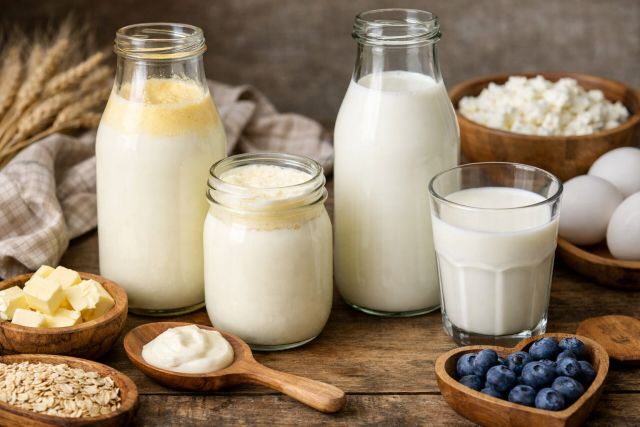

Cream top milk has been making a quiet comeback as more people look for traditional, less-processed foods. If you have ever opened a glass bottle of milk and noticed a thick layer of cream floating on the surface, you have already encountered cream top milk. This old-fashioned dairy product is often associated with farm freshness, richer flavor, and higher quality. But does that mean cream top milk is actually healthier than regular milk, or is it simply a different experience?
In this in-depth guide, we’ll explore what cream top milk is, how it differs from regular milk, its nutritional profile, and whether science supports the health claims surrounding it. By the end, you’ll know if cream top milk deserves a place in your daily routine.
What is cream top milk?
Cream top milk, also known as creamline milk or non-homogenized milk, is milk that has not undergone the homogenization process. In regular milk production, homogenization breaks down fat globules into smaller particles so they stay evenly distributed throughout the milk. When this step is skipped, the fat naturally rises to the surface, forming a visible cream layer.
It is important to understand that cream top milk can still be pasteurized. Pasteurization and homogenization are two separate processes. Pasteurization heats milk to eliminate harmful bacteria, while homogenization changes the physical structure of milk fat. Many people mistakenly assume cream top milk is raw milk, but that is not always the case.
How cream top milk differs from regular milk
The primary difference between cream top milk and regular milk lies in processing, not ingredients. Both start as whole milk from cows. Regular milk is homogenized to ensure consistency, while cream top milk is left in its natural state, allowing the cream to separate over time.
This difference affects texture and flavor more than nutrition. Cream top milk tends to taste richer and fuller because the fat is not evenly dispersed. Some sips may contain more cream, while others may be leaner unless the bottle is shaken. Regular milk offers a uniform taste in every pour, which many consumers find convenient.
Cream top milk nutrition explained
From a nutritional standpoint, cream top milk is surprisingly similar to regular whole milk. It contains protein, calcium, vitamin B12, phosphorus, and fat-soluble vitamins such as A and D. The total nutrient content is generally the same, assuming both are whole milk and pasteurized.
The main difference lies in how fat is consumed. Because the cream separates, the fat content per glass can vary depending on how the milk is poured. Drinking milk from the top without mixing can result in higher calorie and saturated fat intake, while later servings may contain less fat.
This variability makes cream top milk feel more indulgent, but it does not automatically make it more nutritious.
Cream top milk benefits people actually experience
One of the most noticeable cream top milk benefits is taste. Many people describe it as creamier, smoother, and more satisfying than regular milk. This makes it especially popular for coffee, lattes, hot chocolate, and cereal.
Another benefit is versatility. The cream layer can be skimmed and used like light cream for cooking, sauces, or baking. This gives cream top milk a practical advantage for home cooks who enjoy richer textures without buying separate dairy products.
Some consumers also prefer cream top milk because it is less processed in a technical sense. Skipping homogenization appeals to people seeking traditional or minimally altered foods, even though this does not necessarily translate into improved health outcomes.
Is cream top milk healthier than regular milk?
This is the most common question, and the answer is nuanced. From a scientific standpoint, there is no strong evidence that cream top milk is inherently healthier than regular homogenized milk for the average person. Research has not shown consistent links between homogenization and increased risk of heart disease, diabetes, or allergies.
Health differences are more closely tied to fat content rather than homogenization. Cream top milk is usually whole milk, meaning it contains saturated fat. While full-fat dairy can be part of a balanced diet, excessive saturated fat intake may raise LDL cholesterol in some individuals.
If cream top milk encourages larger servings or heavier cream consumption, it could contribute to higher calorie intake. However, if consumed mindfully, it can fit into a healthy eating pattern just as regular whole milk can.
Cream top milk and digestion
Some people report that cream top milk feels easier to digest, although scientific evidence does not strongly support this claim. Lactose intolerance is caused by a lack of lactase enzyme, and homogenization does not significantly affect lactose levels.
That said, slower drinking, richer texture, and higher fat content may influence how milk feels in the stomach. Individual responses vary, and digestion comfort is highly personal.
Cream top milk vs raw milk safety concerns
Cream top milk is often confused with raw milk, but they are not the same. Raw milk has not been pasteurized and carries a higher risk of harmful bacteria such as Salmonella, E. coli, and Listeria. Public health agencies consistently warn against consuming raw milk, especially for children, pregnant individuals, and those with weakened immune systems.
Pasteurized cream top milk provides the traditional creamline experience without the safety risks associated with raw milk. Always check the label to confirm pasteurization.
Who should choose cream top milk?
Cream top milk is a good choice for people who value flavor, texture, and traditional dairy experiences. It works well for coffee lovers, home cooks, and those who enjoy whole milk in moderation.
However, individuals managing heart disease, high cholesterol, or calorie intake should be mindful of portion size. In such cases, regular lower-fat milk options may be more suitable.
How to use cream top milk properly
To get consistent nutrition and flavor, gently shaking the bottle before pouring is recommended. If you prefer richer servings, you can leave the cream undisturbed and enjoy it separately. Storage is also important, as cream top milk should be kept cold and consumed within its freshness window.
Final thoughts on cream top milk benefits
Cream top milk offers a nostalgic, creamy, and versatile dairy experience that many people genuinely enjoy. While it is not scientifically proven to be healthier than regular milk, it is not worse either when consumed responsibly. The real cream top milk benefits lie in taste, texture, and culinary flexibility rather than dramatic nutritional superiority.
If you enjoy full-fat dairy and appreciate minimally processed foods, cream top milk can be a satisfying addition to your diet. As with all dairy products, balance and moderation are key.















Leave a comment