
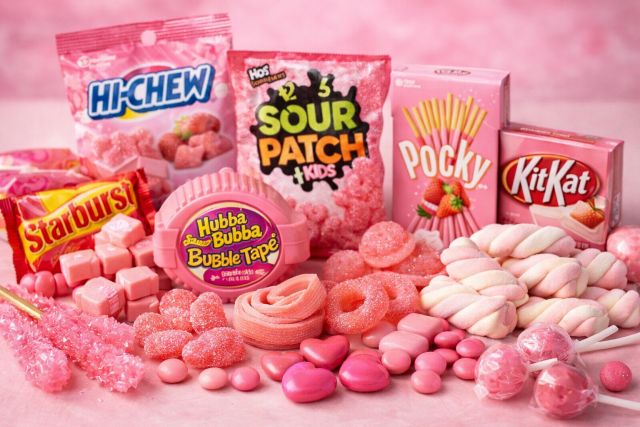

Pink candy has become more than just a sweet treat. It is now a visual statement used for celebrations, gifting, branding, and themed events. From Valentine’s Day and baby showers to weddings and birthdays, pink candy instantly creates a playful and joyful mood. In recent years, demand for pink candy has increased significantly, driven by social media trends, aesthetic dessert tables, and the growing popularity of color-themed gifting.
The global confectionery market continues to grow steadily, with the United States alone generating more than 54 billion dollars annually in candy sales. Non-chocolate candy, including gummies, hard candy, and chews, accounts for a large share of this growth. Pink candy plays a key role in this segment because it appeals to both children and adults and works well across multiple occasions.
What is pink candy?
Pink candy refers to any confection that appears pink in color, whether naturally or through approved food coloring. In many cases, pink candy is associated with strawberry, raspberry, cherry, watermelon, or cotton candy flavors. The color itself creates a flavor expectation, even before the candy is tasted. This psychological connection between color and flavor is one reason pink candy is so effective for themed events and gift presentations.
Food coloring used in pink candy is regulated by authorities such as the U.S. Food and Drug Administration. Some candies use synthetic color additives for consistency, while others rely on natural sources like fruit and vegetable concentrates. Consumers who are ingredient-conscious often check labels carefully, especially when buying candy for children or large groups.
Why pink candy is so popular
Pink candy stands out visually, especially in photos and social media posts. It signals celebration, romance, sweetness, and fun. This makes it ideal for holidays like Valentine’s Day, when pink and red treats dominate store displays and online searches. Seasonal spikes in pink candy sales are common during February and spring events, including weddings and baby showers.
Another reason for its popularity is emotional buying behavior. Candy is considered an affordable indulgence, meaning people continue to purchase it even during economic uncertainty. This encourages brands to experiment with limited editions, new flavors, and color-specific assortments, including all-pink candy mixes.
Different types of pink candy
Pink candy comes in many forms, and choosing the right type depends on the occasion, temperature, and how long the candy will be displayed or stored.
Pink gummy candy is one of the most popular choices. Gummies are easy to portion, visually appealing, and widely available in strawberry, raspberry, and mixed berry flavors. They work well for candy tables, party favors, and bulk purchases because they remain fresh longer than many other types of candy. However, they should be kept away from heat, as they can melt or stick together during shipping.
Pink chocolate candy offers a more premium look. This category includes white chocolate dyed pink, strawberry-flavored chocolate coatings, and specialty ruby chocolate, which has a naturally pink hue and a slightly tangy taste. Pink chocolate is ideal for gift boxes and dessert boards but requires careful temperature control to prevent melting.
Hard pink candy and pink lollipops are excellent for long-lasting displays. These candies are shelf-stable, cost-effective, and resistant to heat. Pink swirl lollipops, strawberry drops, and pink rock candy are commonly used for party favors and welcome bags because they maintain their shape and color over time.
Airy pink sweets such as cotton candy, marshmallows, and meringues are chosen mainly for their visual appeal. They create a soft and whimsical aesthetic, especially for children’s parties. While they look impressive, they must be stored carefully to avoid staleness or crushing.
Seasonal pink candy is often released in limited quantities. Conversation hearts, jelly hearts, and pink candy-coated chocolates are typically available around Valentine’s Day. These products are highly popular but can sell out quickly, making early purchasing essential.
Popular pink candy brands
Well-known candy brands offer reliability and familiarity, which is important when buying for large groups. Brands like Starburst, Skittles, Jelly Belly, and Haribo are widely recognized and trusted. Many of these brands release pink-focused assortments or include pink pieces in their mixed bags. Familiar brands reduce the risk of disappointment, especially in corporate or classroom settings.
Boutique candy brands and specialty chocolatiers focus more on presentation and customization. They often offer pink-themed gift boxes, curated assortments, and hand-crafted chocolates. These options are more expensive but deliver a higher perceived value, making them ideal for weddings, anniversaries, and premium gifts.
For consumers seeking alternatives, some brands focus on naturally colored pink candy made with fruit and vegetable extracts. Interest in these options has grown due to increased awareness of food dyes and ingredient transparency. The FDA provides guidance on color additives and labeling, helping consumers make informed decisions.
Pink candy flavors and expectations
Pink candy is most commonly associated with strawberry flavor, which is widely accepted and enjoyed across age groups. Raspberry and mixed berry flavors are slightly more tart and often appeal to adults. Watermelon is a popular choice for gummies and sour candy because of its refreshing taste. Cherry is sometimes closer to red in color but still fits pink-themed assortments. Cotton candy flavor is nostalgic and works best in hard candy and airy sweets.
When selecting pink candy for events, it is best to limit the number of flavor profiles. Too many competing flavors can feel chaotic. A focused selection creates a more cohesive experience for guests.
Where to buy pink candy
Pink candy is widely available both online and in physical stores. Big-box retailers and grocery stores are convenient options for last-minute purchases. They often carry seasonal pink candy displays ahead of major holidays. These stores are ideal for familiar brands and easy returns.
Online marketplaces offer a broader selection, including bulk and color-specific assortments. While variety is a major advantage, quality can vary depending on the seller. Checking reviews and choosing factory-sealed packaging helps reduce risks related to freshness and melting.
Specialty candy retailers online provide the most reliable source for bulk pink candy. Many allow shoppers to filter by color, shade, and candy type. These retailers are popular for weddings, corporate events, and large parties because they offer better packaging and consistent quality.
Local candy shops and chocolatiers provide customization and personal service. They are excellent for unique gifts and premium experiences, although shelf life should always be confirmed before purchasing.
Storage and freshness tips for pink candy
Proper storage is essential to maintain color, texture, and flavor. Pink candy should be kept in a cool, dry place away from direct sunlight. Heat causes chocolate to melt and gummies to stick together. Air exposure can dry out marshmallows and cotton candy. When refrigerating chocolate, it is important to allow it to return to room temperature slowly to avoid condensation.
Pink candy and food coloring awareness
Many pink candies use approved food dyes to achieve consistent color. These additives are regulated in the United States, and labeling requirements allow consumers to identify them easily. Recent public discussions around food dyes have increased demand for naturally colored alternatives, especially for children’s events.
A practical approach is to offer a mix of classic and naturally colored pink candy, ensuring all guests feel comfortable with their choices.
Frequently asked questions about pink candy
Pink candy is most commonly strawberry flavored, but it can also be raspberry, watermelon, cherry, cotton candy, or mixed fruit. Not all pink candy tastes the same, so checking the flavor description is important.
All-pink candy can be purchased most easily from specialty candy retailers online. These stores offer color-sorted bulk options that are difficult to find in regular supermarkets.
Hard candy and wrapped chews are the least likely to melt on a party table. Gummies are generally safe indoors, while chocolate requires temperature control.
Pink candy can usually be purchased several weeks in advance if stored properly. Hard candy and gummies have the longest shelf life, while chocolate should be bought closer to the event date.
Conclusion
Choosing the right pink candy comes down to understanding texture, flavor expectations, and storage conditions. Gummies and hard candy offer reliability, while pink chocolate adds elegance and impact. Whether you are planning a party, creating a gift box, or stocking a candy table, pink candy provides versatility and visual appeal that few other treats can match. With thoughtful selection and proper storage, pink candy can transform any occasion into a memorable experience.















Leave a comment