
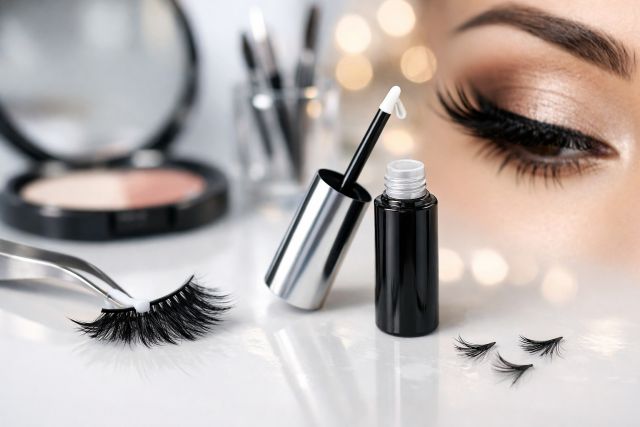

If you love the look of fuller lashes but hate waiting around for adhesive to get tacky, fast-drying eyelash glue can be the difference between a smooth routine and a sticky struggle. The best formulas grip quickly, help strip lashes sit flush against the lash line, and reduce the odds of corner lift. Even more importantly, a faster bond often means less time poking and repositioning near your eye, which can lower irritation from overhandling.
Speed, however, should never replace safety. The FDA groups false eyelashes and related cosmetic products under eye cosmetic safety considerations, reminding consumers to use eye-area cosmetics carefully and hygienically. The American Academy of Ophthalmology also cautions that lash products and procedures can cause irritation and other eye issues when hygiene, product quality, or technique is poor. This guide explains what “fast-drying” really means, how to choose the right eyelash glue for your needs, and how to apply lashes so they look perfect in minutes, not forever.
What “fast-drying” eyelash glue really means
Fast-drying usually refers to a short tack time and a quick set. Tack time is how quickly the adhesive becomes sticky after you apply it to the lash band. Quick set is how soon the lash stays in place without you constantly pressing it down. Some glues feel “fast” because they turn tacky quickly, while others feel “fast” because they stabilize once the lash is placed. In practice, true drying speed depends as much on technique and environment as it does on the bottle. Humidity, temperature, airflow, and how thickly you apply the adhesive can all change how quickly it performs.
A common frustration is applying a thick line of glue and expecting it to dry faster because the label says “fast.” A thick layer may skin over on top while staying wet underneath, which leads to sliding and corner lift. If you want faster results, the biggest lever is usually applying a thinner, more even layer rather than switching brands.
Types of eyelash glue and which ones dry the quickest
Most everyday strip lash adhesives fall into a few familiar formats, and the format can influence how easy it is to get a thin layer. Brush-on strip lash adhesives often feel faster because they naturally limit how much you apply, which helps the glue reach tack stage quickly. Tube glues can be just as fast, but they are easier to over-apply, which slows tack and makes placement messy.
It’s also worth separating strip lash glue from extension adhesive. Lash extension adhesives are typically intended for professional use and often rely on fast-bonding chemistry that can be more irritating if misused, especially due to fumes and proximity to the eye. If your goal is “perfect lashes in minutes” at home, fast-tack strip lash formulas are usually the right category.
Ingredients that affect speed, hold, and comfort
From a performance standpoint, the main things you feel are tack, flexibility, and how cleanly the adhesive dries. From a comfort standpoint, the main concern is irritation or allergy. Eye-care guidance notes that lash products and adhesives can contribute to irritation when used improperly or when someone is sensitive to ingredients.
Some discussions in dermatology and contact dermatitis literature examine allergic reactions related to cosmetic adhesives and acrylate-type compounds used in some bonding products. You do not need to memorize chemistry to shop smart, but you should take symptoms seriously. If you notice burning, lid swelling, intense watering, or itching that goes beyond mild discomfort, stop use and reassess both the product and your technique.
How to apply fast-drying eyelash glue so lashes bond in minutes
The fastest-looking lash application rarely comes from rushing. It comes from doing a few small steps that prevent rework. Repositioning is what eats time, and repositioning usually happens when the lash is placed while the glue is too wet, when the band doesn’t fit, or when the lash line is oily.
Start with a clean, dry lash line. Oil is the number one enemy of adhesion, and it makes even great eyelash glue feel slow and weak. If you used skincare or sunscreen around the eyes, make sure it hasn’t migrated onto the lid. If you used powder shadow, remove fallout from the lash line so the band bonds to skin, not product. Good hygiene and careful practices matter around eye cosmetics to reduce the risk of irritation.
Next, test the lash band against your eye and trim if needed. A band that’s too long forces you to adjust corners repeatedly. Even one extra adjustment can ruin tack timing and turn a quick application into a long one.
When you apply eyelash glue, aim for a thin, even layer across the band. If you can see a thick ridge, you likely used too much. A thin line reaches tack faster and bonds more evenly. Give slightly extra attention to the inner and outer corners, not by globbing more glue, but by ensuring the corners are fully coated. Corners are the first areas to lift because they experience the most movement from blinking and face expressions.
Then wait for tack. The right moment is when the adhesive looks less shiny and feels sticky rather than wet. If you place the lash while the glue is still wet, it will slide around and you’ll lose time correcting it. If you wait too long until it’s overly dry, it may not fuse well and can lift later. This is why watching the texture matters more than counting seconds.
For placement, set the lash from the center first. Once the center sits where you want it, anchor the outer corner, then the inner corner. After the lash is in place, press along the band in short holds, moving from center outward. This improves contact between the band and skin and helps the bond set faster.
The mistakes that make “fast-drying” glue feel slow
Fast-drying glue almost always feels slow when too much is applied. Thick glue takes longer to turn tacky and is more likely to slide. The second big reason is placing lashes too soon. Wet adhesive behaves like lubricant, which makes the band drift off the lash line. The third reason is oily lids, which prevent good contact and shorten wear time.
Another common issue is placing the band too high above the lash line. When the band sits on a more mobile part of the lid, it’s more likely to lift, and you’ll spend extra time pressing and re-pressing it. Speed improves when the lash is placed as close to the natural lash line as comfortable, with clean contact.
Choosing the right fast-drying eyelash glue for your needs
If you have sensitive eyes, prioritize comfort and ingredient tolerance over extreme speed. Many people do better with latex-free options, but “latex-free” isn’t a guarantee that you won’t react to other ingredients. Consider a patch test on your forearm before using a new product near your eyes, and stop immediately if irritation escalates. Eye-care guidance highlights that irritation can occur with lash products and adhesives, especially when conditions are not ideal.
If you need long wear for events, look for a formula known for strong hold that dries clear and stays flexible. Flexibility matters because a stiff bond can crack with facial movement, which leads to corner lift and touch-ups.
If you’re a beginner, a brush-on format is often easier to control, which helps you apply a thin layer and hit tack timing more reliably. In real-world use, control is what creates speed.
Quick scenario: “My lashes look great, but the corners keep lifting”
This is the most common complaint people attribute to eyelash glue when it’s usually technique. Corners lift when they don’t get enough adhesive coverage, when the band is too long, or when the corners are placed while the glue is still wet.
A fast fix is to add a tiny amount of eyelash glue specifically to the lifting corner, wait until it becomes tacky, then press that corner down and hold it briefly. If you keep having to do this, trim the band slightly, and focus on coating the very tip of the inner and outer edges during your initial application. Done correctly, you won’t need repeated re-gluing, and your whole process gets faster.
Safety: what to do if eyelash glue irritates your eyes
Because eyelash glue is used so close to the ocular surface, irritation should be taken seriously. The FDA’s eye cosmetic safety guidance and ophthalmology resources emphasize careful use and hygiene around eye products. If you feel sharp burning, significant redness, swelling, pain, or blurry vision, remove the lash carefully without ripping. If glue enters the eye, rinse gently with clean water or sterile saline, discontinue the product, and seek medical advice if symptoms are severe or do not improve.
FAQ for featured snippets
What is the fastest way to dry eyelash glue? The fastest way is to apply a thin, even layer, wait until it turns tacky rather than wet, then place the lash starting from the center and press along the band in short holds to help the bond set quickly.
How long should I wait before applying lashes after eyelash glue? You should wait until the glue becomes tacky and slightly less shiny. Timing varies by formula and environment, but visual and tactile cues are more reliable than counting seconds.
Is eyelash glue safe for your eyes? Eyelash glue is a cosmetic product, and safe use depends on product quality, hygiene, and correct application. Eye-safety guidance from the FDA and ophthalmology experts notes that improper use can irritate eyes and eyelids.
Why does eyelash glue burn? Burning can happen from sensitivity to ingredients, fumes, or adhesive contacting the eye surface. Stop use, remove the lash carefully, and rinse if needed. If symptoms are intense or persistent, seek medical advice.
What’s the difference between strip lash glue and lash extension glue? Strip lash glue is designed for temporary wear and easier removal. Lash extension adhesive is typically professional-use and can involve stronger bonding chemistry that may be more irritating if misused.
Conclusion
Fast-drying eyelash glue can absolutely help you get flawless lashes in minutes, but the real secret is pairing the right formula with a technique that supports quick tack and clean contact. When your lash line is oil-free, your band fits properly, your eyelash glue layer is thin and even, and you place at the tacky stage, you reduce sliding, corner lift, and time-consuming rework.
For best results, treat comfort as part of performance. Follow eye cosmetic safety guidance, keep tools clean, and stop immediately if you experience significant irritation.
















Leave a comment