
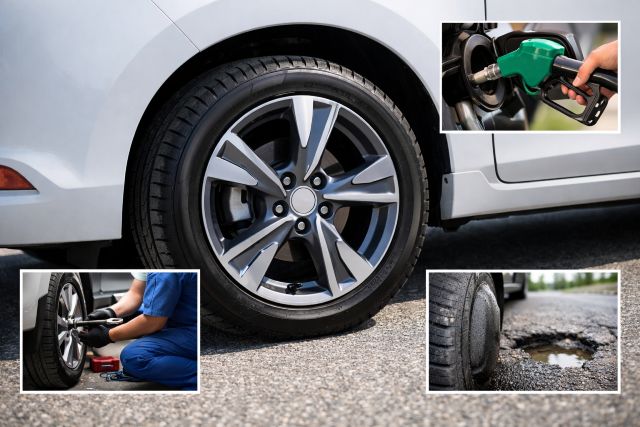

If you’re researching 17 inch wheels, you’re probably trying to strike that sweet spot between comfort, handling, looks, and long-term cost. And honestly, 17s often land right in the “daily-drivable performance” zone: big enough to sharpen steering and fit larger brakes on many cars, but not so big that you’re forced into ultra-thin sidewalls that punish you on rough roads.
The catch is that wheel size never works alone. The tire you mount (width, aspect ratio, compound, construction) and the total package weight matter as much as the diameter stamped on the rim. Still, there are consistent real-world patterns that show up when drivers move to or from 17-inch setups — and that’s what we’ll break down here.
What “17 Inch Wheels” Actually Means
When people say “17 inch wheels,” they’re talking about the wheel’s diameter where the tire bead seats — 17 inches. It does not automatically mean the overall tire-and-wheel package is bigger. Many factory setups keep the overall rolling diameter similar across trims by changing tire sidewall height (for example, moving from a 16-inch wheel to a 17-inch wheel while using a lower-profile tire).
That detail is important because a correctly-sized 17-inch package can keep your speedometer accurate and your gearing feel nearly the same, while changing ride feel, impact resistance, and handling response.
The Biggest Pros of 17 Inch Wheels
Better Balance of Comfort and Control
A lot of vehicles are tuned around 17-inch setups because you can often run a tire with enough sidewall to absorb rough pavement, while still getting a more responsive feel than smaller wheels. That sidewall acts like a small “spring” that helps soften sharp impacts and reduce harshness.
This matters more than many people realize because road damage is real money. AAA has reported pothole damage can be costly at both the individual and national level, and the risk tends to rise as sidewalls get shorter and wheels become more vulnerable to impacts.
More Tire Options
In many markets, 17-inch tire sizes are extremely common—meaning you often get more choices across all-season, touring, performance summer, and light-truck/off-road categories. More competition tends to mean better pricing and better availability when you need a replacement quickly.
Practical Performance Gains Without Going “Low-Profile Extreme”
Moving up in wheel size often encourages lower-profile tires (to keep overall diameter the same). Lower profiles can increase steering immediacy and reduce “tire squirm,” but they also reduce cushioning. Seventeen-inch setups often let you improve response without forcing you into the thinnest sidewalls that can make daily driving annoying.
Independent testing and driver reports consistently describe a key tradeoff as wheels get larger: steering can feel sharper, but the car may become less forgiving over bumps, especially mid-corner. In comparisons that included 17, 18, and 19-inch setups, reviewers noted the bigger sizes can introduce more nervous behavior over bumps that 17-inch tires tend to absorb more easily.
Often Compatible With Larger Brakes
On many cars, 17-inch wheels clear brake upgrades that smaller wheels can’t. This is a practical reason 17s are common on sport trims and performance packages.
Just remember: brake clearance is about wheel design (spoke shape and barrel clearance), not only diameter. A “17” from one brand may clear a caliper that another “17” won’t.
The Real Cons of 17 Inch Wheels
Not Always the Lightest Option
A bigger wheel can weigh more than a smaller one, and added wheel/tire weight is usually unsprung mass (mass the suspension has to control). More unsprung mass can reduce ride comfort and can make the tire less able to follow rough surfaces at speed.
Research on unsprung mass shows reducing it can improve ride and handling measures, and increases in unsprung mass can increase vibrations in the frequency range humans find uncomfortable.
If your goal is comfort and responsiveness, a lightweight 17-inch wheel (often forged or flow-formed) can feel meaningfully different from a heavy cast wheel — even at the same size.
You Can Still Get Pothole Problems If You Choose the Wrong Tire
Seventeen-inch wheels aren’t automatically “safe from potholes.” If you pair them with a very low-profile tire (or run low pressure), you can still bend a wheel or bubble a sidewall.
AAA has highlighted how potholes frequently damage tires, wheels, and suspension components, and the repair costs can be significant.
NHTSA also emphasizes tire maintenance and correct pressure as part of tire safety and performance.
Fuel Economy Can Improve or Get Worse
A common belief is “bigger wheels kill MPG.” Sometimes that’s true, but it’s not as simple as diameter. Fuel economy is strongly influenced by rolling resistance, weight, and aero. NHTSA’s rolling resistance work focuses on how tire rolling resistance correlates with fuel economy and other performance factors.
Older but still widely cited technical work found that changes in rolling resistance can produce measurable changes in fuel consumption (a relationship that’s been explored for decades).
What this means in the real world: a lightweight 17-inch wheel with a low rolling resistance tire can beat a heavier 16-inch setup with a grippy, high-resistance tire. The tire choice is often the bigger lever than the inch-size alone.
Real-World Results: What Drivers Usually Notice After Switching to 17s
Ride Comfort: Usually Better Than 18–20s, Sometimes Worse Than 16s
If you’re coming from 18s or 19s with thin sidewalls, 17 inch wheels often feel more compliant—less sharp impact harshness, fewer rattles, and less “crashiness” over broken pavement. If you’re coming from 16s, you may feel a touch more firmness, depending on tire profile and construction.
The most consistent pattern reported in comparative discussions is that the big ride-quality shift often happens between 17 and 18 when sidewalls get noticeably shorter, while the step from 18 to 19 can feel like a smaller change on some cars.
Handling and Steering: Noticeably More Immediate Than Smaller Wheels
With a well-chosen tire, 17s can make steering feel quicker and more precise. Turn-in improves because the tire sidewall flex is typically reduced compared with smaller-wheel, taller-sidewall setups.
But there’s a nuance: ultra-stiff tires can feel “sharp” yet reduce grip on rough roads because the tire may not stay as planted over bumps. That’s where wheel/tire weight and suspension tuning matter.
Durability: A Sensible Middle Ground
For daily driving, 17s are often easier to live with than very large wheels because you can keep enough tire sidewall to protect the rim. This becomes more important if your roads are rough or you do highway driving where pothole hits happen at speed.
AAA’s pothole findings are a good reminder that “wheel and tire durability” isn’t theoretical — it’s a budget line item for many drivers.
17 Inch Wheels for Different Use Cases
Daily Commuting and Family Cars
For commuters, 17 inch wheels can be the best compromise: stable highway feel, decent comfort, and broad tire availability. If you prioritize low noise and ride softness, pick a touring or grand touring tire in a size that preserves sidewall height.
Sporty Street Driving
If you enjoy spirited driving, 17s can be a smart choice because you can run performance tires without the harshness and rim risk of going too large. Many enthusiasts also like 17s because they can reduce wheel weight while still fitting capable rubber.
Off-Road and Trucks
On many trucks and SUVs, 17s are popular because they can run taller sidewalls (for airing down and impact absorption) while maintaining strong tire availability. In off-road discussions, 17-inch wheels are frequently favored over larger diameters for sidewall compliance and protection when the terrain gets sharp and rocky.
Actionable Tips Before You Buy 17 Inch Wheels
The biggest “wins” with 17 inch wheels come from getting the total setup right.
First, match overall diameter. If you change overall rolling diameter too much, you can affect speedometer accuracy and drivability. Many guides recommend compensating wheel diameter changes with tire profile changes to keep circumference similar.
Second, watch load rating and inflation. Correct tire pressure supports safety, wear, and efficiency, and NHTSA’s tire guidance emphasizes proper maintenance as part of safe operation.
Third, don’t ignore weight. A lighter 17-inch wheel can improve how the suspension behaves over bumps because unsprung mass matters.
FAQs About 17 Inch Wheels
Are 17 inch wheels good for ride comfort?
In most everyday setups, 17 inch wheels offer a strong comfort-to-control balance because they often allow a moderate tire sidewall. Comfort depends heavily on tire construction and pressure, but many drivers find 17s less harsh than 18–20 inch setups when the sidewall gets thinner.
Do 17 inch wheels improve handling?
They can. Compared with smaller wheels using taller sidewalls, 17s often reduce sidewall flex and improve steering response. The best results come from choosing a quality tire and avoiding overly heavy wheels that add unsprung mass.
Will switching to 17 inch wheels hurt fuel economy?
Not necessarily. Fuel economy is strongly affected by rolling resistance and total wheel/tire weight. Research and regulatory work has shown rolling resistance correlates with fuel consumption, so tire choice can matter as much — or more — than wheel diameter.
Are 17 inch wheels more likely to get damaged by potholes?
Risk increases when tire sidewalls get short and impacts transfer more directly to the rim. Many 17-inch setups still have enough sidewall to provide protection, but damage risk depends on your tire profile, tire pressure, and road conditions. AAA has documented pothole-related damage and repair costs as a widespread issue.
Conclusion: Are 17 Inch Wheels Worth It?
For most drivers, 17 inch wheels are worth it because they land in a practical sweet spot: responsive handling without the constant punishment (and rim anxiety) that can come with very large wheels and ultra-low-profile tires. They usually provide great tire availability, sensible long-term costs, and a “modern” look that fits a wide range of vehicles.
To get the best real-world results, focus less on the number “17” and more on the full package: keep overall diameter correct, choose the right tire category for your driving, maintain proper pressure (per safety guidance), and avoid unnecessarily heavy wheels. Done right, 17s can feel like an upgrade you notice every day — without turning every pothole into a financial jump scare.













Leave a comment