
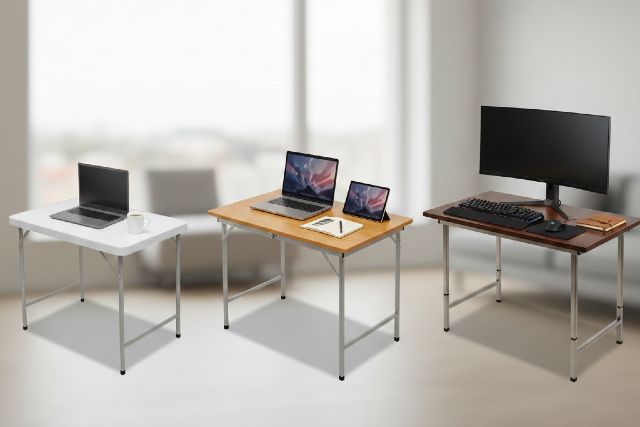

If you’re shopping for tables folding tables, you’re probably trying to solve a very specific problem: you need a sturdy surface that sets up fast, stores easily, and doesn’t look (or feel) flimsy once guests arrive or work begins. The good news is that today’s folding tables range from ultra-affordable plastic workhorses to premium, furniture-style gateleg designs—so you can match your budget to your real-life use case instead of overbuying.
This guide compares budget to premium tables folding tables in a way that actually helps you choose: what matters for stability, how materials impact durability, what “weight capacity” really means, and which features are worth paying extra for.
Why tables folding tables are more popular than ever
People are using folding tables for much more than “extra seating during holidays.” They’ve become everyday tools for hybrid work, small apartments, craft corners, kids’ homework stations, pop-up vendors, and backyard entertaining. As demand has grown, manufacturers have improved designs with stronger frames, better locks, thicker tops, and finishes that clean easily.
A key benefit is flexibility. A good folding table can act like a permanent piece when needed, then disappear into a closet or garage when you want your space back.
How to choose the right tables folding tables before you shop
Choosing well starts with a simple question: what will this table do most often? A table that’s perfect for a buffet line might feel annoying as a daily work desk, and a beautiful gateleg table meant for a kitchen can be a poor choice for outdoor events.
When you shop, pay attention to size, material, stability, and how load capacity is described. Many brands rate capacity under evenly distributed weight, and some clarify the difference between uniform loads and center loads, which is critical if people will lean in the middle or if you’ll place heavy items at the center. Some commercial listings explicitly separate uniform load capacity from center load capacity, which helps you understand real-world strength.
Storage matters just as much. A table that folds neatly but weighs too much to move will get used less than you expect. That’s why fold-in-half designs are so common in buying guides for home use, since they store compactly and are easier to carry.
Tables folding tables size guide for real-life use
The “right size” depends on how many people you need to fit and how much storage space you have. Six-foot rectangular folding tables are frequently highlighted as an all-around standard because they balance seating capacity and storage convenience.
A four-foot table tends to work better in tight rooms, for two to four people, or as a desk-sized surface. A six-foot table typically fits most hosting needs without being too difficult to store. An eight-foot table is best for larger gatherings, but it becomes harder to move and store. Round folding tables can feel more social because everyone faces inward, but they take up more floor space for the same number of seats.
Budget vs premium: what you really get as price rises
Budget tables folding tables tend to focus on basic function. They can be an excellent deal for occasional use, especially if you mainly need a clean, simple surface for a few events each year. The tradeoff is often more flex in the top, more wobble in the frame, and simpler locking mechanisms. Some budget listings also show lower static load ratings, such as a 6-foot bi-fold example rated at 220 lb static load capacity, which is fine for light use but not ideal for heavy setups.
Mid-range options usually improve the feel. You often get thicker tops, sturdier leg geometry, better hinges, and more confidence when the table is bumped or leaned on. This is the range many frequent hosts find most satisfying because it reduces wobble without jumping into heavy commercial pricing.
Premium options split into two categories. One category is commercial-grade tables built for repeated setup and transport, which may publish higher ratings and clearer load definitions. The other category is furniture-style folding designs such as gateleg or drop-leaf tables, which prioritize everyday aesthetics and space-saving for homes rather than event durability.
Independent reviews often note that folding tables can span a wide price range, commonly from lower-cost basics to more expensive heavy-duty models depending on build and intended use.
Tables folding tables for occasional hosting: the best budget approach
If you host a few times per year and want the simplest solution, a budget six-foot plastic bi-fold table is often the most sensible choice. It’s easy to wipe down, stores quickly, and works for food, games, and casual seating. The key is to avoid the cheapest-feeling locks and hinges, because that’s where frustration often shows up first.
For this tier, it’s smart to be realistic about weight capacity and surface stiffness. Budget tables can do great with distributed weight, but they’re not designed to behave like a heavy workbench. If you expect people to lean heavily on the center or if you’ll place dense items in the middle, step up to mid-range or premium.
Tables folding tables for frequent use: the mid-range sweet spot
Mid-range folding tables often feel like the “most table for the money.” The top usually flexes less, the legs feel more planted, and the locking mechanisms inspire more trust. If you use a table weekly for crafts, homework, remote work, or regular hosting, this is often the tier that prevents buyer’s remorse.
Many mid-range models use resin or HDPE-style tops marketed for durability and easier cleaning, though performance still depends on frame design and construction quality. The practical difference you’ll notice is that the table feels more stable when you write, type, or serve food to a moving line of guests.
Tables folding tables for events and business: premium commercial-grade choices
If you’re setting up repeatedly for events, pop-up sales, community halls, or catering, premium commercial-grade tables can pay for themselves through durability and reduced replacements. A good sign is when a manufacturer or listing provides clear load info, including uniform vs center load capacity. One example commercial listing specifies up to 2,000 lbs uniform load capacity and 400 lbs center load capacity, which reflects how strength changes depending on where the weight sits.
Commercial-grade tables also tend to have better frames and more resilient hardware, which matters when a table is folded, transported, and unfolded hundreds of times. This tier is less about “looks” and more about reliability under repeated use.
Tables folding tables for apartments: premium folding that looks like furniture
If your goal is daily dining in a small space, a furniture-style folding table can be the most satisfying option. Gateleg and drop-leaf tables are designed to expand when needed and fold down to a compact footprint when not in use. IKEA’s NORDEN gateleg table is a widely referenced example of this category, built for space-saving and flexible sizing.
This premium style is best indoors. It’s typically not meant to be dragged across rough outdoor surfaces or exposed to weather. The value comes from a table that feels “permanent” in appearance while still behaving like a folding solution when space is tight.
Comparison overview of budget to premium tables folding tables
Budget folding tables are best when you need occasional utility at the lowest cost and you can accept more wobble and lower ratings on some models. Mid-range folding tables are best when you need better stability for regular home use and you want sturdier construction without commercial pricing. Premium commercial-grade folding tables are best for repeated setup, higher published capacities, and long-term durability, especially when load definitions are clearly stated. Premium furniture-style folding tables are best when you want everyday aesthetics and space-saving functionality for a home environment.
What features make tables folding tables feel sturdier
Stability is often decided by leg geometry and lock quality more than by the tabletop material alone. A table can have a decent top but still wobble if the frame is narrow or the cross-bracing is weak. Locks that click firmly into place tend to feel safer and more stable in use, while loose latches can create side-to-side play.
Surface rigidity matters too. Thicker tops flex less, which makes the table feel better as a desk or craft surface. Feet design matters at home, because non-marring caps help protect floors and reduce sliding.
Keeping your folding table in great shape
Storage conditions play a big role in longevity. Keeping the table dry and away from extreme temperature swings helps protect both the top and the hardware. Reviews and buying guides often mention storage and handling as key factors in how long folding tables last in real use.
Cleaning is usually straightforward for plastic and resin tops with mild soap and a soft cloth. Avoid harsh abrasives that can dull the finish. If you notice looseness in hinges or locks, tightening early is better than waiting until wobble becomes permanent.
Conclusion: choosing tables folding tables that match your real life
The best tables folding tables aren’t automatically the priciest. The best choice is the one that fits how you’ll actually use it. If you need a table a few times per year, a budget six-foot plastic bi-fold can be a smart buy, as long as you keep weight expectations reasonable. If you use it weekly for work, crafts, or regular hosting, mid-range stability upgrades are usually worth it. If you’re running events or transporting tables constantly, premium commercial-grade construction and clear load definitions can deliver better long-term value.











Leave a comment